Blog portálu
Leading Crypto Miners in 2024: An Observational Study
Intro
The cryptocurrency mining industry has actually developed considerably since the creation of Bitcoin in 2009. Today, it is a highly affordable and technologically advanced industry, dominated by large operations and sophisticated equipment. This empirical study article analyzes the top crypto miners in 2024, concentrating on their operational range, technological improvements, and influence on the broader crypto environment. The searchings for are based on publicly offered data, sector reports, and expert evaluations.
Approach
This research adopts an empirical strategy, examining information from mining swimming pools, equipment manufacturers, and blockchain explorers. Key metrics consist of hash rate payment, energy efficiency, geographic distribution, and profits generation. The study concentrates on the most popular players in the sector, excluding smaller sized or much less prominent miners.
Top Crypto Miners in 2024
1. Foundry USA
Factory United States continues to be one of the largest Bitcoin mining pools in 2024, consistently contributing a substantial section of the global hash price. The business has invested greatly in next-generation ASIC miners and renewable resource sources, placing itself as a leader in lasting mining practices. Shop USA's calculated collaborations with hardware manufacturers like Bitmain and MicroBT have additional strengthened its prominence.
2. Antpool
Run by Bitmain, Antpool remains to be a significant pressure in the crypto mining industry. With a solid visibility in Asia and The United States And Canada, Antpool leverages Bitmain's cutting-edge Antminer series to keep high efficiency and success. The swimming pool's adaptive mining strategies, such as dynamic charge structures and multi-algorithm support, make it a favored option for numerous miners.
3. F2Pool
F2Pool, one of the earliest mining swimming pools, has actually adjusted well to the changing landscape. Understood for its openness and user-friendly user interface, F2Pool sustains multiple cryptocurrencies, consisting of Bitcoin, Ethereum Standard, and Litecoin. The swimming pool's dedication to decentralization and community engagement has actually assisted it keep a loyal individual base.

4. ViaBTC
ViaBTC stands out for its ingenious strategy to mining, providing solutions like cloud mining and merged mining. The pool has actually expanded its operations to include newer cryptocurrencies, profiting from emerging possibilities. ViaBTC's emphasis on reduced fees and high payment regularity has attracted both private and institutional miners.
5. Binance Swimming pool
Binance Pool, backed by the globe's biggest cryptocurrency exchange, has swiftly expanded in impact. Its assimilation with Binance's trading system supplies miners with smooth accessibility to liquidity and hedging alternatives. The swimming pool's double mining attribute, which incorporates Evidence cost of bitcoin Miners Job (PoW) and Evidence of Stake (PoS), offers special benefits in a varied crypto market.
Technical Advancements
The leading miners in 2024 have actually embraced several technological developments to remain affordable:
ASIC Dominance: Application-Specific Integrated Circuits (ASICs) proceed to control the mining landscape, with more recent models offering unmatched hash prices and energy performance.Renewable resource: Miners are significantly taking on sustainable power resources, such as solar and hydroelectric power, to decrease costs and environmental effect.AI Optimization: Artificial knowledge is being made use of to enhance mining procedures, from hardware upkeep to energy intake.Geographical Circulation
The geographic circulation of mining operations has shifted significantly due to regulatory changes and power costs. While China's crackdown in 2021 originally interrupted the industry, The United States and Canada and Central Asia have become new centers. Countries like the United States, Kazakhstan, and Russia now hold a considerable portion of the worldwide hash price.
Economic Influence
Crypto mining continues to be a lucrative market, with top miners producing billions in annual income. Nevertheless, the market encounters challenges such as changing cryptocurrency costs, regulative scrutiny, and rising energy prices. Miners are increasingly expanding their profits streams via staking, cloud mining, and blockchain facilities services.
Final thought
The top crypto miners in 2024 exemplify the industry's evolution towards greater effectiveness, sustainability, and innovation. Factory USA, Antpool, F2Pool, ViaBTC, and Binance Pool lead the pack, each with one-of-a-kind staminas and techniques. As the crypto landscape continues to develop, these miners will likely play a critical duty in forming the future of decentralized financing and blockchain technology.
Referrals
(Note: This area would generally consist of citations from industry reports, whitepapers, and authoritative sources, omitted right here for brevity.)
Shop United States stays one of the biggest Bitcoin mining swimming pools in 2024, consistently adding a substantial part of the worldwide hash rate. The business has spent greatly in next-generation ASIC miners and renewable energy resources, positioning itself as a leader in sustainable mining practices. Operated by Bitmain, Antpool proceeds to be a significant force in the crypto mining sector. ViaBTC stands out for its ingenious approach to mining, providing solutions like cloud mining and combined mining. Crypto mining continues to be a lucrative sector, with top miners generating billions in yearly profits.
The Advancement and Future of Bitcoin Mining Hardware
Bitcoin mining is the backbone of the Bitcoin network, a procedure that makes certain the safety and decentralization of the globe's very first cryptocurrency. At the heart of this process exists mining equipment, which has developed considerably since Bitcoin's beginning in 2009. This write-up checks out the history, existing state, and future leads of Bitcoin mining hardware, shedding light on the technical innovations that have formed this crucial sector.
The Early Days: CPU Mining
Initially, Bitcoin mining was a straightforward procedure that might be executed on any type of standard computer system using its Central Processing System (CPU). Satoshi Nakamoto, Bitcoin's mysterious developer, mined the first blocks utilizing a CPU, and early adopters did the same. CPU mining was obtainable to any person with a computer, however it was extremely ineffective. As the network expanded and more miners signed up with, the problem of mining raised, providing CPU mining obsolete by 2010.
The GPU Transformation
The next significant jump in mining equipment featured the adoption of Video Processing Devices (GPUs). GPUs, created for providing graphics in computer game, verified to be much extra effective at resolving the cryptographic problems required for Bitcoin mining. They used parallel handling capabilities, permitting miners to execute multiple computations at the same time. This era saw the surge of do it yourself mining gears, where enthusiasts built customized arrangements with multiple GPUs to optimize their mining outcome. As the network problem continued to increase, GPUs also ended up being less sensible for Bitcoin mining, though they stay popular for mining various other cryptocurrencies.
The Surge of ASICs
The intro of Application-Specific Integrated Circuits (ASICs) noted a transforming factor in Bitcoin mining. Unlike CPUs and GPUs, which are general-purpose processors, ASICs are made especially for mining Bitcoin. They offer unrivaled efficiency and hash prices, far surpassing their precursors. The initial ASIC miners, released in 2013 by companies like Butterfly Labs and Bitmain, changed the industry by making GPU mining virtually outdated overnight. ASICs are now the requirement for Bitcoin mining, with business continually pushing the limits of performance and power effectiveness.
Current State of Mining Hardware
Today, Bitcoin mining is controlled by very specialized ASIC miners generated by a handful of makers, including Bitmain, MicroBT, and How To Start Bitcoin Mining Canaan. These devices are maximized for the SHA-256 algorithm made use of by Bitcoin and offer hash rates determined in terahashes per second (TH/s). Modern ASICs are additionally made with power efficiency in mind, as electricity prices are a significant consider mining productivity. As an example, Bitmain's Antminer S19 Pro flaunts a hash rate of 110 TH/s with a power usage of 3,250 watts, making it one of one of the most effective miners on the marketplace.
Nonetheless, the centralization of ASIC manufacturing has raised issues concerning the decentralization of the Bitcoin network. A couple of large companies manage most of ASIC manufacturing, leading to worries of collusion or adjustment. Furthermore, the high price of ASICs and the economic climates of range support big mining procedures, making it hard for specific miners to complete.
The Duty of Mining Pools
To mitigate the challenges presented by the enhancing trouble and centralization of mining, several private miners sign up with mining pools. Mining swimming pools combine the computational power of numerous miners, enhancing the opportunities of addressing a block and gaining benefits. While swimming pools distribute benefits proportionally among individuals, they likewise present a layer of centralization, as a couple of huge swimming pools manage a significant portion of the network's hash price.
Power Intake and Environmental Concerns
Bitcoin mining's power consumption has ended up being a hotly discussed topic. The procedure calls for large quantities of electrical energy, causing concerns regarding its environmental impact. According to the Cambridge Bitcoin Power Intake Index, Bitcoin mining eats extra energy annually than some small countries. In response, the sector has seen a push towards renewable resource sources, with miners establishing up procedures in regions with affordable and abundant hydroelectric, solar, or wind power. Developments in energy-efficient equipment and cooling down systems are additionally aiding to lower the carbon footprint of mining.
The Future of Bitcoin Mining Equipment
The future of Bitcoin mining hardware is likely to be formed by developments in semiconductor modern technology, energy effectiveness, and decentralization efforts. Right here are some essential patterns to view:
1. Extra Effective ASICs
Producers are consistently working with enhancing ASIC performance, lowering power usage while increasing hash rates. The shift to smaller nanometer processes (e.g., 5nm or 3nm chips) can yield significant gains in performance and energy performance.
2. Option Energy Resources
As ecological problems expand, miners are increasingly transforming to renewable resource resources. Some business are exploring ingenious services, such as using excess gas from oil areas or using geothermal energy.
3. Decentralization Efforts
To resolve centralization worries, there are ongoing efforts to establish more available and economical mining equipment. Projects like Open Source ASICs aim to equalize ASIC manufacturing, though they encounter substantial technological and financial obstacles.
4. Quantum Computing Risk
While still in its early stage, quantum computer presents a potential risk to Bitcoin's cryptographic safety and security. Future mining hardware may need to integrate quantum-resistant formulas to safeguard the network.
Verdict
Bitcoin mining equipment has actually come a long means given that the days of CPU mining, advancing right into a highly specialized and affordable industry. ASICs dominate the landscape today, supplying unparalleled performance yet additionally elevating worries concerning centralization and environmental effect. The future of mining hardware will likely concentrate on improving power performance, leveraging renewable resource, and addressing decentralization difficulties. As Bitcoin remains to grow, the evolution of mining hardware will play a pivotal duty in forming the network's protection, sustainability, and accessibility.
Bitcoin mining is the backbone of the Bitcoin network, a process that makes certain the security and decentralization of the world's initial cryptocurrency. how to start bitcoin mining reduce the difficulties positioned by the enhancing problem and centralization of mining, numerous private miners sign up with mining swimming pools. According to the Cambridge Bitcoin Electricity Intake Index, Bitcoin mining takes in much more power every year than some little nations. The future of Bitcoin mining hardware is likely to be shaped by innovations in semiconductor technology, power effectiveness, and decentralization efforts. Bitcoin mining equipment has come a lengthy method since the days of CPU mining, progressing right into an extremely specialized and affordable market.
Introduction
Cryptocurrency mining, the computational procedure that confirms transactions on blockchain networks, has actually become a cornerstone of the electronic economy. Because Bitcoin's inception in 2009, mining has actually progressed from a hobbyist activity right into a multi-billion-dollar industry. This empirical research study examines the technological, economic, and ecological measurements of crypto mining, concentrating on its development trajectory, energy consumption patterns, and social ramifications.
Historical Context and Technical Structures
Crypto mining started with Bitcoin's proof-of-work (PoW) consensus mechanism, which relies on miners addressing complex mathematical challenges to add blocks how to mine bitcoin at home, navigate to this website, the blockchain. Early miners used common CPUs, yet as competitors increased, hardware developed quickly. By 2013, application-specific incorporated circuits (ASICs) controlled the area, using unequaled effectiveness. Today, mining operations are industrialized, with centers spanning continents and leveraging specialized infrastructure to make the most of productivity.
The decentralization ethos of blockchain contrasts dramatically with the centralization of mining power. As of 2023, over 60% of Bitcoin's hash price is concentrated in five mining pools, raising problems concerning network safety and security and administration. This centralization stems from economic situations of scale: large procedures take advantage of less expensive power and bulk equipment purchases, sidelining smaller participants.
Energy Consumption and Environmental Concerns
Crypto mining's power need is its most controversial aspect. The Cambridge Bitcoin Electrical power Consumption Index estimates Bitcoin alone eats 120-- 150 terawatt-hours annually-- more than entire countries like Argentina. Doubters suggest this worsens environment adjustment, especially when miners count on nonrenewable fuel sources. In regions like Kazakhstan and components of the united state, coal-powered mining has drawn examination for increasing carbon discharges.
Nonetheless, the industry is adapting. Over 50% of Bitcoin miners now make use of renewable power, according to a 2022 Bitcoin Mining Council record. Hydroelectric power in Sichuan, China (before the 2021 ban), and geothermal energy in Iceland exhibit sustainable practices. Ethereum's 2022 transition to proof-of-stake (PoS), minimizing its energy usage by 99.95%, highlights a potential course for various other blockchains.
Economic Characteristics and Geopolitical Variables
Mining earnings depends upon electrical energy expenses, hardware effectiveness, and cryptocurrency rates. Nations with subsidized power, such as Iran and Russia, bring in miners despite political threats. On the other hand, regulative suppressions in China (2021) and the EU's recommended energy taxes have actually shifted mining hubs to the united state, which currently organizes 38% of international Bitcoin mining.
The financial ripple results are considerable. Mining can support power grids by eating excess sustainable outcome, as seen in Texas. Alternatively, in regions with strained infrastructure, such as Kosovo, mining has triggered power lacks and public backlash. Additionally, e-waste from obsolete ASICs-- estimated at 30,000 bunches yearly-- positions an expanding environmental challenge.
Instance Studies: Contrasting Approaches
1. Bitcoin in Texas
Texas has accepted crypto mining, leveraging its deregulated power market and sustainable capability. Miners like Riot Blockchain partner with grid drivers to reduce operations during peak demand, earning profits while stabilizing the network. This symbiotic version demonstrates mining's possible to support sustainable combination.
2. Ethereum's Merge
Ethereum's shift to PoS in 2022 eliminated mining entirely, replacing miners with validators who stake cryptocurrency. This minimized power usage substantially but sparked debates concerning ease of access, as staking requires considerable capital, potentially systematizing control.
3. El Salvador's Volcanic Energy Venture
In 2021, El Salvador released a Bitcoin mining pilot making use of geothermal energy from volcanoes. While small-scale, the job signifies initiatives to straighten mining with nationwide renewable energies, though its lasting viability stays unproven.
Governing Responses and Ethical Arguments
Governments grapple with balancing advancement and risk. China's mining restriction focused on environmental objectives and financial control, while the U.S. cultivates development via tax obligation rewards and clear laws. The EU's Markets in Crypto-Assets (MiCA) framework mandates sustainability disclosures, pushing miners towards transparency.
Morally, mining's energy usage clashes with global environment commitments. Proponents suggest it drives eco-friendly advancement and economic incorporation. In creating countries, extracting offers revenue streams via power monetization, though usually at the cost of neighborhood areas' sources.
Future Trajectories and Advancements
The industry's future depend upon sustainability. Advancements in immersion air conditioning and modular reactor combination can decrease energy waste. Meanwhile, PoS fostering by major blockchains might marginalize typical mining. Decentralized eco-friendly microgrids, customized for mining, can better minimize environmental harm.
Additionally, "eco-friendly mining" accreditations and carbon balance out programs are acquiring traction. Business like Square and Blockstream purchase solar-powered mining farms, intending to establish eco-friendly precedents. Scalability continues to be a hurdle, as renewables' intermittency difficulties 24/7 mining procedures.
Verdict
Cryptocurrency mining rests at the intersection of innovation, finance, and sustainability. While its energy strength raises legitimate issues, the sector's versatility-- evidenced by renewable integration and consensus developments-- suggests a path towards stability. Stakeholders must collaborate to prioritize openness, effectiveness, and fair development, making certain mining progresses as a liable pillar of the digital age.
Over 50% of Bitcoin miners currently utilize eco-friendly energy, according to a 2022 Bitcoin Mining Council record. Mining can support energy grids by eating excess eco-friendly outcome, as seen in Texas. Texas has actually welcomed crypto mining, leveraging its deregulated power market and renewable ability. In 2021, El Salvador released a Bitcoin mining pilot using geothermal energy from volcanoes. Fairly, mining's energy use clashes with worldwide environment dedications.
The Duty and Effect of Bitcoin Miners in the Cryptocurrency Ecosystem
Bitcoin mining is a cornerstone of the cryptocurrency environment, working as the foundation of the Bitcoin network. Miners play a crucial function in securing the blockchain, verifying deals, and presenting brand-new bitcoins into flow. This write-up checks out the technicians of Bitcoin mining, the financial incentives driving miners, and the wider implications of their activities on the network and the environment.
Understanding Bitcoin Mining
Bitcoin mining is the process whereby deals are validated and contributed to the public journal, recognized as the blockchain. Miners complete to resolve complicated mathematical challenges making use of computational power, a process referred to as proof-of-work (PoW). The very first miner to fix the problem gets the right to include a brand-new block of purchases to the blockchain and is compensated with newly produced bitcoins and purchase charges.
The difficulty of these puzzles readjusts approximately every two weeks to make certain that blocks are contributed to the blockchain at a constant price, roughly every 10 minutes. This device makes sure the stability and protection of the network, making it immune to attacks and scams.
The Economic Rewards for Miners
Miners are inspired by 2 key incentives: block rewards and transaction fees. The block benefit is a fixed quantity of bitcoins provided to the miner who effectively includes a brand-new block to the blockchain. This incentive cuts in half about every four years in an event recognized as the "halving," which decreases the rate at which new bitcoins are developed. One of the most current halving in 2020 reduced the block incentive from 12.5 to 6.25 bitcoins.
Purchase fees, on the other hand, are paid by users to prioritize their purchases. As the block incentive decreases in time, transaction costs are anticipated to become the key reward for miners. This transition is critical for the long-term sustainability of the Bitcoin network.
The Advancement of Mining Hardware
Bitcoin mining has actually progressed significantly given that its beginning in 2009. At first, miners used main handling devices (CPUs) to resolve the cryptographic problems. As the network grew, top crypto miners transitioned to graphics refining units (GPUs) and later to application-specific integrated circuits (ASICs), which are specialized hardware developed specifically for mining.
ASICs use unrivaled performance and computational power, making them the requirement for professional miners. However, their high cost and quick obsolescence have caused centralization issues, as just well-funded entities can manage to compete in the mining landscape.
Centralization vs. Decentralization
Among the core tenets of Bitcoin is decentralization, yet the mining industry has actually seen raising centralization for many years. Huge mining swimming pools, frequently located in regions with cheap power, control the network. For example, China was as soon as home to a considerable part of the globe's Bitcoin miners before regulatory crackdowns in 2021 compelled numerous to relocate.
This centralization postures dangers to the network, as a concentration of mining power in the hands of a couple of entities might possibly result in collusion or assaults, such as the 51% strike, where a single entity gains control of most of the network's hash rate.
Environmental Issues
Bitcoin mining has actually run the gauntlet for its ecological influence due to its high energy consumption. The PoW agreement device requires huge amounts of electricity to power the mining hardware. According to some quotes, the Bitcoin network eats more power every year than some little countries.
Nonetheless, the mining market has actually made strides toward sustainability. Lots of miners are now moving to regions with plentiful renewable power, such as hydroelectric power in Scandinavia or geothermal energy in Iceland. Furthermore, some projects are exploring means to repurpose waste energy for mining, further reducing its carbon footprint.
The Future of Bitcoin Mining
The future of Bitcoin mining is formed by a number of elements, consisting of technical improvements, regulatory advancements, and market characteristics. Technologies in mining hardware, such as more energy-efficient ASICs, might minimize the ecological impact and lower operational expenses. At the same time, regulatory clarity in crucial territories will certainly identify where miners can operate sustainably.
As the block benefit remains to cut in half, miners will progressively rely upon transaction costs. This shift might cause higher fees for users, potentially influencing Bitcoin's utility as a circulating medium. Nonetheless, layer-2 services like the Lightning Network purpose to minimize congestion and reduce costs, making sure Bitcoin stays feasible for everyday transactions.
Verdict
Bitcoin miners are the unrecognized heroes of the cryptocurrency ecological community, making sure the safety and functionality of the network. While challenges such as centralization and top crypto miners ecological concerns continue, the industry is adjusting with development and sustainability initiatives. As Bitcoin remains to progress, the function of miners will continue to be crucial, forming the future of decentralized money.
In summary, Bitcoin mining is a facility and vibrant field that balances financial motivations, technological development, and environmental duty. Recognizing its complexities is necessary for any individual curious about the future of cryptocurrency.
Bitcoin mining is a keystone of the cryptocurrency ecological community, offering as the backbone of the Bitcoin network. Bitcoin mining is the process by which purchases are confirmed and added to the public ledger, understood as the blockchain. One of the core tenets of Bitcoin is decentralization, however the mining industry has seen increasing centralization over the years. Bitcoin mining has actually dealt with objection for its environmental influence due to its high energy usage. In summary, Bitcoin mining is a complicated and dynamic area that stabilizes economic motivations, technical development, and environmental duty.
Among the most essential advancements in this area is the growth of Application-Specific Integrated Circuit (ASIC) miners. These specialized hardware tools have transformed the mining landscape, supplying unrivaled performance and performance contrasted to their precursors, such as CPUs, GPUs, and FPGAs.
ASIC miners are equipment gadgets developed solely for the function of mining cryptocurrencies. Unlike general-purpose computing hardware, ASICs are customized to perform a solitary job with maximum performance. In the context of cryptocurrency mining, ASICs are enhanced to address the complicated cryptographic challenges required to confirm transactions and protected blockchain networks, a process referred to as proof-of-work (PoW).
The main advantage of ASIC miners depends on their capability to deliver considerably greater hash prices while eating much less power compared to CPUs or GPUs. This efficiency comes from their specialized style, which gets rid of unnecessary components and focuses only on the computational tasks appropriate to mining.
The Evolution of ASIC Miners
The very first ASIC miners arised in 2013, targeting Bitcoin mining. Business like Bitmain, Canaan, and MicroBT originated this innovation, introducing devices that swiftly made CPU and GPU mining out-of-date for Bitcoin. Early ASIC designs, such as Bitmain's Antminer S1, supplied hash rates in the variety of 180 GH/s, a significant jump from the abilities of GPUs at the time.
Over the years, ASIC technology has actually progressed swiftly, with each brand-new generation supplying higher performance and power efficiency. Modern ASIC miners, such as the Antminer S19 Pro or the Whatsminer M30S++, brag hash rates exceeding 100 TH/s while preserving power effectiveness ratios listed below 30 J/TH.: ASIC miners are the most efficient hardware for PoW mining, supplying the highest hash prices per watt of power eaten.
Despite their advantages, ASIC miners are not without downsides:
- Centralization Issues: The high cost of ASIC equipment and the economies of scale support huge mining procedures, leading to centralization of mining power in the hands of a few entities. This threatens the decentralized principles of cryptocurrencies.
The Wider Influence On Cryptocurrency Mining
The rise of ASIC miners has actually reshaped the mining market in a number of means:
- Professionalization of Mining: ASICs have transformed mining into a very affordable, industrial-scale task, pushing individual miners out of the marketplace unless they sign up with mining pools.
Future Outlook
The future of ASIC mining is intertwined with the development of blockchain modern technology. As cryptocurrencies like Ethereum abandon PoW for proof-of-stake (PoS), the need for ASICs may decline in some industries. Bitcoin and other PoW-based cryptocurrencies will certainly proceed to rely on ASIC miners, driving further advancement in equipment effectiveness and sustainability.Efforts are also underway to create more eco-friendly ASIC mining solutions, such as sustainable energy-powered ranches and heat-recycling systems. Additionally, the introduction of decentralized ASIC marketplaces and rental solutions could equalize access to mining equipment, minimizing centralization concerns.
Final thought
ASIC miners represent a keystone of contemporary cryptocurrency mining, using unparalleled performance and performance. While they have equalized accessibility to mining earnings for some, they have actually additionally introduced obstacles pertaining to centralization and environmental sustainability. As the cryptocurrency landscape advances, the function of ASIC miners will proceed to adjust, formed by technical improvements and changing financial and ecological priorities. Their tradition, nonetheless, as the driving force behind the professionalization of mining, is indisputable.
ASIC miners are hardware devices designed specifically for the objective of mining cryptocurrencies. The initial ASIC miners emerged in 2013, targeting Bitcoin mining.: ASIC miners are the most efficient equipment for PoW mining, using the highest hash rates per watt of power eaten.: The high expense of ASIC hardware and the economic climates of range support big mining operations, leading to centralization of mining power in the hands of a few entities. ASIC miners stand for a keystone of modern-day cryptocurrency mining, providing unequaled effectiveness and performance.
The Function and Influence of Bitcoin Miners in the Cryptocurrency Environment
Bitcoin mining is an essential procedure that underpins the Buy Second Hand Bitcoin Miner Online network, guaranteeing its safety, decentralization, and capability. Bitcoin miners play a vital duty in verifying purchases, preserving the blockchain, and introducing brand-new bitcoins into flow. This write-up checks out the details of Bitcoin mining, the technology behind it, its economic ramifications, and its environmental impact.
What is Bitcoin Mining?
Bitcoin mining is the process through which transactions are confirmed and included in the general public ledger, referred to as the blockchain. Miners utilize effective computer systems to resolve complex mathematical problems, a job that requires substantial computational power. The first miner to address the puzzle reaches add a brand-new block of transactions to the blockchain and is awarded with freshly minted bitcoins and transaction charges.
This procedure is called Evidence of Job (PoW), Buy Second Hand Bitcoin Miner Online an agreement mechanism developed to avoid double-spending and guarantee the integrity of the network. PoW calls for miners to use up energy and sources, making it expensive to attack the network maliciously.
The Technology Behind Bitcoin Mining
In the very early days of Bitcoin, mining might be done using conventional CPUs. Nonetheless, as the network grew, the trouble of mining increased, necessitating a lot more powerful equipment. Today, miners use customized devices such as:
ASICs (Application-Specific Integrated Circuits): These are tailor-made chips created exclusively for Bitcoin mining, offering unparalleled efficiency and speed.GPUs (Graphics Handling Units): While much less efficient than ASICs, GPUs are still made use of for extracting certain cryptocurrencies.Mining Pools: Specific miners frequently sign up with forces in mining swimming pools to incorporate their computational power and share rewards proportionally.The mining procedure additionally relies on sophisticated software that links miners to the Bitcoin network, handles equipment, and monitors efficiency.
The Economic Incentives of Bitcoin Mining
Bitcoin mining is both resource-intensive and extremely competitive. Miners are motivated by 2 key rewards:
Block Incentives: When a miner effectively includes a block to the blockchain, they receive a set variety of bitcoins. This incentive is cut in half about every four years in an occasion understood as the "halving," which reduces the rate at which new bitcoins are produced.Transaction Fees: Users pay charges to have their deals included in the blockchain. As block benefits decrease over time, purchase fees are anticipated to end up being the key incentive for miners.The earnings of mining relies on several variables, consisting of the cost of electricity, the effectiveness of mining hardware, and the cost of Bitcoin. Miners in regions with low-cost electricity, such as China (prior to the 2021 crackdown) and Iceland, have an affordable benefit.
The Environmental Debate
Bitcoin mining has actually faced considerable objection for its ecological effect. The power usage of the Bitcoin network is significant, typically contrasted to the electrical energy usage of tiny countries. Critics say that this power expense is inefficient and adds to carbon emissions.
Supporters of Bitcoin mining counter that:
Many mining several use renewable make use of sustainablePower such as hydroelectric or geothermal power. Bitcoin mining can incentivize the advancement of excess renewable resource capacity by providing a continuous need.Traditional economic systems likewise eat huge quantities of energy, though their use is much less clear.The dispute proceeds, with some advocating for alternative consensus mechanisms like Proof of Risk (PoS), which requires much much less energy.
The Future of Bitcoin Mining
As Bitcoin approaches its optimum supply of 21 million coins, the role of miners will progress. Block benefits will at some point vanish, leaving purchase fees as the sole reward. This change can result in adjustments in miner behavior and network characteristics.
Additionally, innovations in mining innovation, regulative growths, and the expanding fostering of eco-friendly power will form the future of Bitcoin mining. Some prospective patterns consist of:
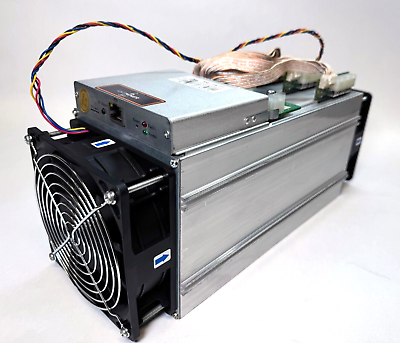 Increased Efficiency: Proceeded technology in ASIC modern technology could decrease power consumption per hash.Geographical Shifts: Miners may transfer to areas with positive laws and abundant eco-friendly power.Layer 2 Solutions: Technologies like the Lightning Network could minimize the load on the main blockchain, indirectly affecting mining economics.
Conclusion
Bitcoin miners are the foundation of the Bitcoin network, ensuring its safety and functionality. While the process is energy-intensive and encounters criticism, it stays necessary for the decentralized nature of Bitcoin. As the market develops, miners will certainly require to adapt to altering financial and environmental landscapes. Understanding the duty of miners is key to grasping the broader effects of Bitcoin and its area in the future of finance.
Bitcoin mining is a fundamental procedure that underpins the Bitcoin network, ensuring its safety and security, decentralization, and performance. Bitcoin miners play a critical function in confirming purchases, keeping the blockchain, and presenting new bitcoins into circulation. The productivity of mining depends on several factors, consisting of the expense of electrical power, the effectiveness of mining hardware, and the rate of Bitcoin. In addition, innovations in mining modern technology, regulative growths, and the growing adoption of renewable energy will shape the future of Bitcoin mining. Bitcoin miners are the backbone of the Bitcoin network, ensuring its safety and capability.
Developed solely for Bitcoin mining, ASICs offered unmatched hash rates and energy effectiveness, promptly providing various other hardware out-of-date. The supremacy of ASIC miners has actually streamlined mining power to some degree, as individual miners struggle to complete with large procedures. Observational evidence suggests that ASIC miners will certainly continue to play an essential function in Bitcoin's ecosystem, albeit amidst evolving technical and regulative landscapes.
Over the years, the equipment used for mining has actually progressed dramatically, with Application-Specific Integrated Circuit (ASIC) miners emerging as the dominant force. Made solely for Bitcoin mining, ASICs provided exceptional hash rates and power effectiveness, promptly rendering various other hardware out-of-date. The dominance of ASIC miners has actually streamlined mining power to some level, as individual miners struggle to complete with massive operations. Bitcoin ASIC miners have actually transformed the cryptocurrency landscape, driving unprecedented degrees of effectiveness and field of expertise. Empirical evidence recommends that ASIC miners will continue time to buy how to in crypto on time price eth play a crucial function in Bitcoin's environment, albeit amid advancing technological and regulatory landscapes.
Bitcoin ASIC Miners: A Thorough Study Record
Intro
Bitcoin, the globe's very first decentralized cryptocurrency, depends on an agreement device called Evidence of Work (PoW) to validate purchases and secure its network. At the heart of this process are specialized hardware devices understood as Application-Specific Integrated Circuit (ASIC) miners. These makers are made exclusively for Bitcoin mining, using unrivaled effectiveness and performance compared to general-purpose hardware like CPUs or GPUs. This record dives into the ins and outs of Bitcoin ASIC miners, discovering their evolution, technological specs, market characteristics, and future prospects.
Advancement of Bitcoin ASIC Miners
The history of Bitcoin mining hardware has seen significant innovations because Bitcoin's beginning in 2009. Initially, miners used Main Handling Units (CPUs) to address cryptographic problems. As the network expanded, Videos Processing Devices (GPUs) ended up being the favored selection due to their higher computational power. By 2013, the initial ASIC miners emerged, transforming the industry by providing exponentially greater hash prices and power effectiveness.
Early ASIC versions, such as the Bitmain Antminer S1, marked a standard shift in mining technology. Succeeding generations, like the Antminer S9 (2016) and S19 (2020 ), remained to push the borders of performance, with the last delivering hash prices going beyond 100 TH/s. Today, ASIC miners are the foundation of Bitcoin's network, making up the majority of its computational power.
Technical Specs of Modern ASIC Miners
Modern Bitcoin ASIC miners are crafted to optimize hash price while reducing energy consumption. Key technological specifications consist of:
Hash Price: Determined in terahashes per 2nd (TH/s), this indicates the variety of cryptographic computations a miner can do. Top-tier designs like the Bitmain Antminer S19 XP boast hash rates of approximately 140 TH/s.Power Efficiency: Shared in joules per terahash (J/TH), this metric shows power consumption. The most recent ASICs attain efficiencies listed below 30 J/TH, a stark improvement over very early designs.Power Consumption: High-performance miners can eat over 3,000 watts, requiring durable air conditioning solutions and dependable power supplies.Chip Innovation: ASICs make use of sophisticated semiconductor processes, with present designs leveraging 5nm or 7nm technology to improve efficiency and minimize warmth result.Market Dynamics and Secret Players
The Bitcoin ASIC miner market is dominated by a handful of suppliers, with Bitmain (China), MicroBT (China), and Canaan Creative (China) leading the pack. These companies continually contend to launch a lot more efficient and powerful designs, driving development in the sector.
Market characteristics are influenced by numerous elements, consisting of:
Bitcoin Price: The earnings of mining is straight linked to Bitcoin's market price. High rates incentivize investment in ASICs, while prolonged recessions can cause decreased demand.Guideline: Government policies, particularly in mining centers like China and the united state, effect production and operation. As an example, China's 2021 mining restriction interrupted the international supply chain. Technical Advancements: Developments in chip layout or cooling services can promptly make older models outdated, producing an affordable race amongst suppliers.Obstacles and Limitations
Regardless of their advantages, Bitcoin ASIC miners encounter a number of obstacles:
Centralization Dangers: The high price of ASICs and economies of range support huge mining procedures, potentially resulting in network centralization.Ecological Problems: Bitcoin mining's energy usage has drawn objection, with ASICs adding to its carbon impact. Nevertheless, the market is increasingly taking on eco-friendly power resources. Obsolescence: Rapid technical developments indicate ASICs can come to be out-of-date within years, requiring continuous capital investment.Future Prospects
The future of Bitcoin ASIC miners is positioned for further technology. Arising patterns include:
3nm Chip Innovation: Next-generation ASICs will likely embrace 3nm processes, using even greater efficiency and efficiency.Liquid Air Conditioning: Advanced cooling services might decrease power costs and expand equipment life expectancy.Decentralized Mining Swimming Pools: Efforts to equalize mining could mitigate centralization threats.Conclusion
Bitcoin ASIC miners have actually transformed the cryptocurrency landscape, allowing the safe and efficient operation of the Buy bitcoin mining machine Price network. While difficulties like centralization and environmental impact continue, ongoing technological advancements assure to resolve these concerns. As the sector progresses, ASIC miners will certainly continue to be a crucial part of Bitcoin's ecosystem, buy bitcoin mining machine price driving technology and shaping the future of decentralized financing.
At the heart of this procedure are specialized hardware devices known as Application-Specific Integrated Circuit (ASIC) miners. Modern Bitcoin ASIC miners are engineered to make best use of hash rate while minimizing energy consumption. The Bitcoin ASIC miner market is controlled by a handful of manufacturers, with Bitmain (China), MicroBT (China), and Canaan Creative (China) leading the pack. The future of Bitcoin ASIC miners is poised for more advancement. Bitcoin ASIC miners have changed the cryptocurrency landscape, allowing the safe and efficient procedure of the Bitcoin network.
Introduction
In the vibrant and multicultural city of Perth, Western Australia, the legal landscape is as diverse as its population. Among the various legal practitioners, Asian personal injury lawyers play a vital role in assisting individuals who have suffered injuries due to accidents, negligence, or other unfortunate events. This article delves into the significance of Asian personal injury lawyers in Perth, their unique contributions to the legal field, and the process of seeking legal assistance in personal injury cases.
The Importance of Personal Injury Lawyers
Personal injury law encompasses a wide range of cases where an individual suffers physical, emotional, or psychological harm due to the negligence or wrongful conduct of another party. This area of law is crucial for protecting the rights of victims and ensuring they receive the compensation they deserve. Personal injury lawyers specialize in navigating the complexities of these cases, advocating for their clients, and helping them secure fair settlements or awards.
Understanding Personal Injury Claims
Personal injury claims can arise from various situations, including:
- Motor Vehicle Accidents: Collisions involving cars, motorcycles, bicycles, or pedestrians.
The Role of Asian Personal Injury Lawyers
Asian personal injury lawyers in Perth bring a unique perspective to the legal field, often serving clients from diverse cultural backgrounds. Their cultural competence allows them to communicate effectively with clients who may face language barriers or cultural differences. Here are some key roles they play:
1. Cultural Sensitivity and Communication
Language and cultural barriers can significantly impact a client's ability to understand their legal rights and the complexities of their case. Asian personal injury lawyers often speak multiple languages and understand the cultural nuances that may affect their clients' experiences. This sensitivity fosters trust and ensures that clients feel heard and understood.
2. Legal Expertise
Personal injury law is intricate, with various regulations and procedures that must be followed. Asian personal injury lawyers possess the necessary legal expertise to navigate these complexities. They are well-versed in local laws, court procedures, and negotiation tactics, which are essential for building strong cases and https://soullegal.com.au/asian-injury-lawyer-in-perth-wa advocating effectively for their clients.
3. Advocacy and Representation
Asian personal injury lawyers serve as advocates for their clients, representing their interests in negotiations with insurance companies and in court. They work diligently to gather evidence, interview witnesses, and build a compelling case that demonstrates the extent of their clients' injuries and the impact on their lives.
4. Compassionate Support
In addition to their legal skills, Asian personal injury lawyers often provide emotional support to their clients during challenging times. Suffering an injury can be traumatic, and having a compassionate lawyer who understands their struggles can make a significant difference in the healing process.
The Process of Hiring an Asian Personal Injury Lawyer
If you find yourself in need of a personal injury lawyer in Perth, the following steps can guide you through the process of hiring an Asian personal injury lawyer:
1. Research and Referrals
Start by researching personal injury lawyers in Perth who specialize in your type of case. Online reviews, testimonials, and referrals from friends or family can help you compile a list of potential candidates. Look for lawyers who have experience working with clients from your cultural background.
2. Initial Consultation
Most personal injury lawyers offer a free initial consultation. This meeting allows you to discuss your case, ask questions, and assess whether the lawyer is a good fit for you. During this consultation, inquire about their experience, success rate, and approach to handling cases.
3. Discuss Fees and Payment Structures
Understanding the lawyer's fee structure is crucial. Many personal injury lawyers work on a "no win, no fee" basis, meaning they only charge a fee if you win your case. Clarify any potential costs, including court fees and other expenses, to avoid surprises later.
4. Evaluate Communication and Comfort Level
Effective communication is essential in any attorney-client relationship. Ensure that you feel comfortable discussing your case with the lawyer and that they are responsive to your questions and concerns. A strong rapport can significantly enhance the overall experience.
5. Review the Retainer Agreement
Once you have selected a lawyer, carefully review the retainer agreement before signing. This document outlines the terms of your representation, including fees, responsibilities, and the scope of services provided.
The Legal Process in Personal Injury Cases
Once you have hired an Asian personal injury lawyer, the legal process typically unfolds as follows:
1. Investigation and Evidence Gathering
The lawyer will begin by investigating the circumstances surrounding your injury. This may involve collecting medical records, accident reports, witness statements, and any other relevant evidence to support your claim.
2. Filing a Claim
After gathering sufficient evidence, your lawyer will file a claim with the appropriate insurance company or, if necessary, initiate a lawsuit. This step involves submitting legal documents outlining your case and the compensation you seek.
3. Negotiation
In many cases, personal injury claims are settled through negotiation. Your lawyer will engage with the insurance company to negotiate a fair settlement on your behalf. This process may involve back-and-forth discussions, and your lawyer will advocate for your best interests throughout.
4. Litigation
If a fair settlement cannot be reached, your lawyer may recommend pursuing litigation. This involves presenting your case in court, where both parties will have the opportunity to present evidence and arguments. The court will then decide the outcome of the case.
5. Settlement or Judgment
If your case is successful, you may receive a settlement or judgment in your favor. Your lawyer will guide you through the process of collecting your compensation and ensuring that you receive the funds owed to you.
Challenges Faced by Asian Personal Injury Lawyers
While Asian personal injury lawyers in Perth play a crucial role in advocating for their clients, they also face unique challenges in their practice. Some of these challenges include:
1. Language Barriers
Despite their language skills, some clients may still struggle to communicate effectively. Lawyers must find creative ways to bridge these gaps, ensuring that clients fully understand their legal options and the implications of their decisions.
2. Cultural Misunderstandings
Cultural differences can lead to misunderstandings between lawyers and clients. Asian personal injury lawyers must be attuned to their clients' cultural values and beliefs, which may influence their expectations and decisions regarding their cases.
3. Navigating the Legal System
The Australian legal system can be complex, and personal injury lawyers must stay updated on changes in laws and regulations. Asian personal injury lawyers may face additional challenges in keeping pace with these changes while also addressing the needs of their diverse clientele.
Conclusion
Asian personal injury lawyers in Perth, WA, play a vital role in the legal community, providing essential services to individuals who have suffered injuries due to the negligence of others. Their cultural competence, legal expertise, and compassionate support make them invaluable advocates for their clients. By understanding the process of hiring a personal injury lawyer and the steps involved in a personal injury case, individuals can make informed decisions that will help them navigate the challenges of recovery and seek the compensation they deserve.
Whether you are a member of the Asian community or anyone seeking legal assistance, the support of a dedicated personal injury lawyer can make a significant difference in your journey toward justice and healing.
Dark Web Marketplaces
The Unseen Bazaar
Administrators run the core platform, overseeing accounts, listings, fees, and internal rules. This access layer allows global reach while limiting direct traceability. Stay secure with DeepStrike penetration testing services. How do law enforcement agencies trace criminals on the dark web if everything is anonymous?
Omicron is recorded as ending on 23 July 2022 due to being hacked, so it should not be treated as an active marketplace in 2026. Omicron’s lifecycle was very short (roughly four months), which typically limits long-term darknet market depth and stability compared to major, multi-year markets. Compared to long-running "giant" markets, Mellow’s footprint was limited by its short lifecycle (under a year).
Beneath the glossy surface of the internet we know—the one of social feeds, streaming services, and online shopping—lies a different city altogether. This is the realm of dark web marketplaces, digital casbahs operating in the shadows, accessible only through specialized tools that cloak a user's identity and location.
According to a report by the blockchain data company Chainalysis, the estimated revenue of these illicit markets decreased from a lofty $3.1 billion in 2021 to just above $2 billion in 2024. It does not endorse, promote, facilitate, or encourage access to or use of any dark web marketplace or illegal activity. Each new dark web marketplace represents another outlet for stolen data and another opportunity for attackers to profit. These takedowns show that law enforcement is capable of disrupting even the largest marketplaces. Hansa was taken over by authorities who ran it covertly for weeks to collect user data, a notable law enforcement success story.
Primarily active in North America, WeTheNorth features listings for counterfeit documents, identity data, and illicit goods. Known for its data validation mechanisms, Brian’s Club remains a go-to for criminals trading in stolen payment records. Abacus Market's uptime and reliability have made it one of the biggest dark web markets currently active. For a deeper look into how they operate, visit our guide on dark web markets. Accessing this hidden part of the internet requires special software like the Tor browser, which allows users to browse anonymously. It’s a hidden space where cybercriminals buy and sell stolen data, dark web markets forged documents, and malicious software, often using anonymous identities and untraceable payment methods.
Awazon's user-friendly interface, search functions, and verified vendors give it a trusted reputation as a safe marketplace that serves as a replacement for Alphabay Market, which is no longer functioning. Some illegal markets have started using traditional web domains as mirror sites to attract users— this provides better avenues for less tech-savvy attackers or new attackers to begin. This is why we have put together a new list of five dark web marketplaces that are worth watching right now. References to third-party websites, services, or marketplaces do not imply any affiliation or endorsement. Its interface resembles legitimate marketplaces, making it accessible to technically proficient threat actors.
Purchasing or selling illegal goods—such as controlled substances, counterfeit documents, or stolen data—can result in significant legal penalties, including fines, criminal charges, darkmarket and dark darknet market link imprisonment. Although platforms promise anonymity and security, vulnerabilities persist, potentially leading to severe consequences. Analyst write‑ups point to a wide spectrum of vendor‑run listings, with drugs typically dominant and fraud/digital‑goods categories active. Open‑source snapshots describe a broad vendor mix spanning drugs, fraud/financial items, counterfeits, and digital tools—the standard DNM catalog. Ares darknet market is commonly profiled by threat‑intel trackers as a general‑purpose dark‑web marketplace that appeared in 2021. Scholarly analyses highlight how Swedish vendors largely migrated away from FS4 after 2021, with the 2025 Archetyp takedown again reshaping where Swedish traffic lands.
This way if a market vanishes, they lose minimal funds. If you imagine the dark web market scene as an ever changing top 10 list, TorZon is firmly on that list in 2025, arguably even top 3 after Hydra Russian side was gone and Abacus gone. It’s now commonly monitored by threat intel firms as one of the big fish. By not tolerating the most dangerous illicit goods and by ensuring members are vetted and accounts secured, WTN fosters a kind of fragile trust on an anonymous network. Overall, WeTheNorth’s security approach is about building a walled garden, a somewhat self contained community where people follow the rules or get kicked out. These bans are both ethical drawing a line at especially heinous stuff and practical such items bring heavy heat from law enforcement.
A Marketplace of Contradictions
To imagine these spaces as simply criminal flea markets is to miss their complex, unsettling nature. They are monuments to both extreme libertarian idealism and blatant opportunism. Here, the UI is often familiar, even banal: product listings, vendor ratings, shopping carts, and escrow services. You could be browsing a niche e-commerce site, if not for the products on offer. This bizarre normalization of the illicit is perhaps their most disquieting feature. A five-star review for a hacker isn't about customer service, but about the reliability of stolen data.
The Goods and the Guardians
The inventory is a mirror dark market to society's forbidden desires and deepest vulnerabilities. Alongside the expected contraband, one might find "exploits"—digital keys sold to the highest bidder, capable of unlocking everything from personal email to power grid subsystems. Yet, paradoxically, these same shadowy forums can become hubs for whistleblowers and journalists operating under oppressive regimes, using the same anonymity to share truth. The marketplace does not judge; it merely facilitates exchange.

This ecosystem is in constant, volatile motion. Law enforcement operations, with names like "Operation Onymous" or "Operation Bayonet," act as sudden, violent earthquakes. A top-tier marketplace can vanish overnight, its digital storefronts replaced by a seizure notice from the FBI or Europol. But like hydras, new platforms inevitably emerge from the ruins, learning from the security failures of their predecessors, evolving to be more resilient, more decentralized.
The Ephemeral Empire
Ultimately, dark web marketplaces represent a paradox of permanence and fragility. They are persistent features of the digital landscape, proving there is an unquenchable demand for anonymous, unregulated trade. Yet each individual bazaar is inherently temporary, living on borrowed time, always one step away from infiltration or internal betrayal. They are ghost cities, bustling with life one moment and abandoned the next, leaving only whispers and cryptographic dust in their wake. They remind us that for every walled garden on the surface net, a wild, untamed forest grows in the depths below.