Blog portálu
Actionable steps: On the Apple handset open Settings → Cellular and turn on personal tethering; confirm the cellular plan includes tether access; install any carrier-settings prompt via Settings → General → About; update iOS to the latest build. Use a simple WPA2 password (8–16 alphanumeric characters) to avoid authentication errors. If Wi‑Fi link fails, plug a certified Lightning cable and use USB sharing for a stable connection.
Network checks: Verify the client device receives a DHCP address in the 172.20.10.x range (common for iOS tethering). An address in 169.254.x.x indicates DHCP failure – on the client, forget the network, toggle Wi‑Fi off/on and rejoin. If that does not help, configure a static IP in the same subnet (e.g., 172.20.10.2, gateway 172.20.10.1, DNS 8.8.8.8) to rule out DHCP issues and check for immediate connectivity.
Interface-specific diagnostics: For USB: accept the "Trust This Computer" prompt on the Apple handset, install Apple Mobile Device drivers (Windows) or ensure macOS shows the new network interface in Network Preferences. For Bluetooth: pair both devices first, then enable network access for the paired device (use Personal Area Network / Internet access profile). If using a third‑party handset, ensure its tethering client supports Bluetooth PAN or USB RNDIS profiles; on Linux install ipheth/libimobiledevice if needed.
Interference and pairing reliability: Move devices within 1–2 meters, disable VPNs and local firewalls while testing, and avoid crowded Wi‑Fi channels. If the other handset supports selecting 2.4 GHz vs 5 GHz, prefer 2.4 GHz for broader compatibility. Temporarily disable Bluetooth on both devices when testing Wi‑Fi tether to eliminate cross‑radio conflicts.
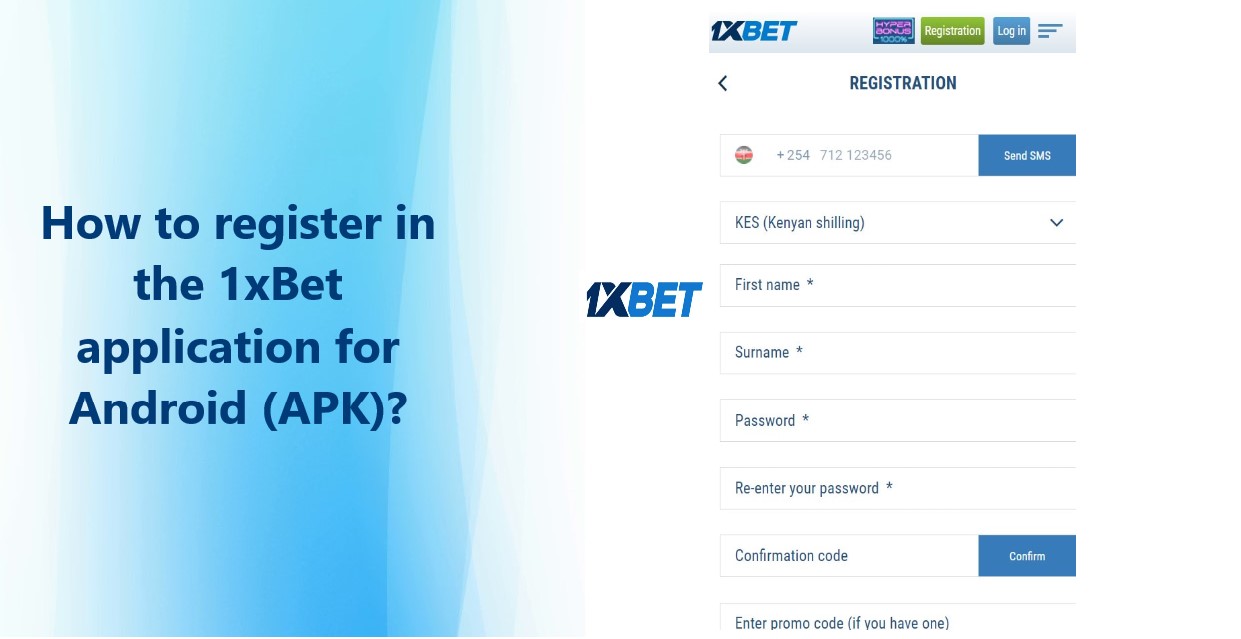
Account and SIM-level blockers: If all diagnostics fail, contact the mobile operator to confirm tethering is enabled for that line and that no APN restriction is applied. If you have any questions about exactly where and how to use 1xbet app download for android, you can make contact with us at the webpage. Check for carrier throttling or APN values required for tethering; as a final check, insert the SIM into a different device to determine whether the restriction follows the SIM or the handset.
Quick checklist: toggle personal tethering, update iOS and carrier settings, confirm DHCP IP (172.20.10.x), try USB with drivers installed, pair Bluetooth and enable PAN, test with SIM in another handset, contact carrier if tether is still blocked.
Check Cellular Data and Carrier Support
Enable Cellular Data and verify your wireless plan includes mobile tethering; on dual‑SIM Apple handsets set the active Cellular Data line to the number that carries tethering privileges (Settings → Cellular → Cellular Data → choose line).
Verify account provisioning in the carrier app or web portal: confirm tethering allowance, remaining tethering data quota, and whether a separate hotspot/tethering add‑on is required. If the account shows tethering disabled, request an account flag update from support.
Install the carrier settings update (Settings → General → About) and update iOS to the latest version; carrier profiles control APN and tethering provisioning and must be current for tethering to function correctly.
Check the APN entries used for mobile data and tethering (Settings → Cellular → Cellular Data Network). The tethering/APN fields must match the carrier’s values – if blank or incorrect, paste the exact strings provided by support, reboot the handset and retest.
Account type can block tethering: many MVNOs and some international roaming arrangements restrict or charge extra for tethering. Confirm with the carrier whether your plan permits tethering while roaming and whether a paid upgrade or add‑on is required.
Isolation steps: 1) Try sharing mobile data to a different non‑Apple handset to determine if the issue is device‑specific. 2) Test the same handset with a SIM from a plan known to allow tethering. 3) Toggle Airplane Mode and cellular data off/on, then reboot. 4) As a last resort, Reset Network Settings (Settings → General → Transfer or Reset → Reset → Reset Network Settings).
If problems persist, open a support ticket and ask the carrier to push a provisioning refresh and check network logs for tethering‑related flags; request the exact APN strings and confirmation that the account has the tethering flag enabled.
Confirm active data plan and hotspot allowance
Verify that your mobile subscription explicitly includes tethering and that a usable data balance remains for shared internet traffic.
Sign in to your carrier account (website or official app) and open the plan details or usage section; look for terms such as "tethering", "mobile tethering", "internet sharing" or "data offload" and note any listed caps (examples: 5 GB tethering, 30 GB high‑speed tethering then throttled).Check billing and activation state: account must show "Active" or "In service"; confirm next billing date and that no past‑due balance or suspension flag exists that would block data services.For multi‑line or shared plans, confirm which line has the primary data allocation and whether tethering is allowed per line; family managers or business admins can restrict tethering per subscriber.Inspect add‑ons and extras: some providers require a separate "tethering pass" or an add‑on (daily/weekly/monthly). If tethering is listed as an add‑on, enable or purchase it and verify its activation timestamp.If using a virtual operator (MVNO) or corporate account, check the operator policy – many MVNOs block tethering by default or limit speed; request policy details from support or upgrade to a plan that permits tethering.Confirm APN/provisioning settings: request the carrier to push the correct APN and tethering profile to your device (provide account number and device IMEI if asked). Ask support to confirm the account tethering flag is set for your MSISDN.For prepaid customers, ensure remaining data credit is sufficient and that any automatic throttles or cap resets are understood; sample thresholds: some providers block tethering when balance < $1 or when daily data allotment exhausted.When traveling internationally, verify that roaming entitlements cover tethering – many plans block tethering while roaming or require a separate roaming tethering add‑on.If account pages show tethering is allowed but sharing still fails, contact carrier support with this checklist: account number, phone number, device IMEI, and a request to "enable tethering provisioning and push APN profile" – request confirmation that no carrier‑side blocks or throttle rules are active.
Temel Kozmetik Seti Nedir?
Yüz makyajı, cilt tonunu eşitleyip genel görünümü tamamlayan bir rutindir. Ancak iyi sonuç almak için çekmeceyi ürünle doldurmak gerekmez. Asıl hedef, stil rehberi minimal ama etkili bir setle her gün kullanılabilir bir makyaj çantası oluşturmaktır.
"Temel kozmetik seti" dediğimiz şey, yüz makyajının omurgasını kuran olmazsa olmaz parçaları içerir. Bu setin gücü, cilt tipine uygun seçim ile ortaya çıkar.
Doğru Set İçin Kendine Soracağın 5 Soru
Cilt tipim ne? (karma)Hangi bitişi seviyorum? (mat)Ne kadar örtücülük istiyorum? (yüksek)Makyajı kaç saat taşıyorum? (10–12 saat)Günlük senaryom ne? (özel gün)Bu sorulara verdiğin cevaplar, aynı ürünün farklı formülünü seçmene yardımcı olur. Örneğin yağlı ciltte matlık, kuru ciltte nem hissi daha önemli olabilir.
1) Makyaj Bazı (Primer)
Primer, makyajdan önce uygulanan ve cildi pürüzsüzleştirmeye yardımcı olan bir adımdır. Herkes için şart değildir; ama özellikle fotoğraf/etkinlik günlerinde fark yaratabilir.
Seçim ipucu:
Yağlı/karma cilt: matlaştırıcı bazlar.Kuru cilt: konforlu bazlar.Hassas cilt: hafif yapılı bazlar.Uygulamada nohut kadar yeterlidir. Primeri sürdükten sonra kısa bir süre beklemek, üzerine gelecek ürünlerin daha az çizgiye dolmasına yardımcı olur.
2) Fondöten / BB Krem / Skin Tint
Ten makyajının merkezinde, cilt tonunu eşitleyen ana ürün bulunur: fondöten. Daha hafif bir seçenek isteyenler için BB krem veya skin tint, daha "yok gibi" bir görünüm sunabilir.
Doğru ürünü seçmek için:
Kapatıcılık: Günlükte hafif–orta tercih edebilirsin.Bitiş: Işıltılı bitiş, cildin dokuna göre değişir.Ton uyumu: Tonu yüz–boyun geçişinde kontrol etmek, gri görünümü azaltır.Uygulama aracı olarak parmak seçebilirsin. Nemli sünger genelde daha doğal görünüm verirken, fırça daha kontrollü sonuç sağlayabilir.

3) Kapatıcı (Concealer)
Kapatıcı, fondötene göre genellikle daha hedefli bir üründür. Göz altı, burun kenarı, sivilce izi gibi bölgelerde lokal kapatma için idealdir.
Renk tercihi: Göz altı için fondötenden yarım–bir ton açık bir ton seçmek, daha dinç görünüm sağlayabilir. Sivilce ve leke için ise fondöten tonuna yakın bir kapatıcı daha doğal durur.
Uygulamada, kapatıcıyı az ürünle başlayarak kullanmak daha iyi sonuç verir. Fazla ürün, göz altını topaklanmaya yatkın hale getirebilir.
Opsiyonel Ama Güçlü: Corrector
Renk düzeltici, belirgin renk problemlerini dengelemek için kullanılır. Bu ürün herkesin şartı değildir; ancak doğru kullanıldığında fondöteni kalınlaştırmadan daha temiz bir sonuç verebilir.
Kızarıklık için: hafif yeşil düzelticiMor–mavi göz altı için: turuncuya yakın tonlarSolgunluk için: morumsu dokunuşlarCorrector kullanıyorsan, üzerine ince fondöten uygulamak genelde yeterlidir. Önemli nokta, corrector’ı çok sürmemektır.
5) Pudra: Sabitleme ve Parlama Kontrolü
Pudra, ten ürünlerini sabitleyerek kalıcılığı artırmaya yardımcı olur. Transparan (renksiz) pudralar, cilde ek renk vermeden kilitleme görevi görür.
Uygulama önerisi:
alın–burun–çene: daha fazla pudra.Göz altı: çok ince sabitleme.Kuru bölgeler: minimum pudra."Baking" tekniği, pudrayı bir süre bekletip sonra fazlasını almak şeklinde uygulanır; bu yöntem çok uzun kalıcılık gerektiğinde tercih edilebilir.
6) Allık: Yüze Hayat Vermek
Allık, yüz makyajının en hızlı "canlandırıcı" adımıdır. Ten makyajı ne kadar iyi olursa olsun, allık eklenince yüz daha sağlıklı görünür.
Form seçimi
Krem allık: ıslak görünümlü bitiş.Pudra allık: hızlı uygulama kullanım.Allığı elmacık kemiğinin gülümseme hattına uygulayıp dağıtmak, yüzü daha dinamik gösterebilir.
7) Bronzer ve/veya Kontür
Bronzer ve kontür, yüzü daha belirgin hale getirmek için kullanılır; ancak ikisini birden almak zorunda değilsin.
Bronzer: Yüze sıcaklık hava katar. Genelde daha yumuşak kullanılır.Kontür: Yüz hatlarını gölgeyle belirginleştirir. Genelde daha soğuk tonlu uygulanır.Yeni başlayanlar için en pratik yöntem: Önce bronzer ile küçük dokunuşlar yapmak ve sonucu gün ışığında kontrol etmektir.
8) Aydınlatıcı (Highlighter)
Aydınlatıcı, yüzün yüksek noktalarına uygulandığında ışığı yakalayıp ışıltı kazandırır. "Az ve doğru" kullanıldığında sonuç doğal olur.
Elmacık kemiği üstüBurun kemiği (çok az)Kaş altı (ince dokunuş)Dudak üstü (isteğe bağlı)Doku belirginleşiyorsa, aydınlatıcıyı daha ince kullanmak iyi olur. Ayrıca pudra seçenekleri, istediğin bitişe göre tercih edilebilir.
9) Sabitleyici Sprey
Sabitleyici sprey, makyajın en sonunda uygulanarak kalıcılığı artırmaya yardımcı olur. Bazı spreyler matlaştırıcı olabilir.
Uygulama: Şişeyi 20–30 cm tutup eşit şekilde püskürtmek yeterlidir. çok yakından sıkmak makyajı bozabilir.
10) Uygulama Araçları: Sünger ve Fırçalar
Ürünler ne kadar iyi olursa olsun, uygulama araçları sonucu ciddi şekilde etkiler. Başlangıç için çok fırça şart değil.
En pratik araç seti:
Bir adet sünger: fondöten + kapatıcı için.Pudra fırçası: sabitleme için.Allık fırçası: allık/bronzer için.Makyajı Adım Adım Dizmek
Arındırılmış yüz + hafif bakımMakyaj bazıTen ürünüCorrector (varsa) + concealerPudra (özellikle T bölgesi)ŞekillendirmeCanlılıkIşıltıSabitleyici spreyBu sırayı değişmez bir reçete olarak düşünme. İhtiyaca göre adımları yeniden sıralayabilirsin; önemli olan, ürünlerin daha iyi oturmasıdir.
3 Farklı Temel Set Örneği
A) Ultra minimal (5–6 parça)
BB krem/skin tintKapatıcıTransparan pudradoğal allıkSabitleyici sprey (opsiyonel)tek uygulama aracıB) Ofis/okul için pratik set
makyaj bazıten ürünüKapatıcıTransparan pudrablushtek şekillendiriciAydınlatıcıSabitleyici spreypudra + allık fırçası (+ sünger)C) Uzun gün / özel gün seti (10–12 parça)
kontrollü bazFondötenrenk düzelticiKapatıcıPudra + hedefli sabitlemeboyutlandırmaAllıkışıltıSabitleyici spreyBirden fazla fırça + süngerTemizlik ve Ürün Ömrü: En Az Ürün Kadar Önemli
Temel setin performanslı kalması için hijyen şarttır. Fırça ve süngerlerin kirli olması, makyajın ciltte sorun çıkarmasına neden olabilir.
Sünger: mümkün oldukça sık temizle, tamamen kurut.Fırçalar: haftada bir yıka ve yatay kurut.Ürün kapakları: Özellikle krem ürünlerde kapağı temiz tut.Saklama: Ürünleri aşırı sıcak gibi ortamlardan uzak tut.Genel bir kural olarak, sıvı ürünler zamanla doku bozulması gösterebilir. Böyle bir durumda ürünü kullanmamak daha güvenlidir. Ayrıca göz çevresinde kullanılan ürünlerde hijyen çok hassas hale gelir.
Sonuç: Az Ürünle Dengeli Bir Ten
Yüz makyajı için temel kozmetik seti, cildini tanıdığında kurması çok kolay bir sistemdir. Primer ile zemin kurup, fondöten/BB ile tonu eşitleyip, kapatıcıyla hedefli rötuş yapıp, pudrayla sabitleyerek sağlam bir temel oluşturursun. Üzerine allık, bronzer/kontür ve aydınlatıcıyla ışık ekleyip sabitleyici sprey ile rutini tamamlarsın.
En önemli nokta şu: Makyajın kalitesi ürün sayısıyla ölçülmez. cilt tipine uygun birkaç parça, çoğu zaman en şık görünümü verir.
Immediate instruction: Stop using the device now–enable airplane mode and connect it to a computer for imaging; if you cannot image immediately, power the handset down to reduce overwrite risk. Create a bit-for-bit image of internal storage (example sequence: adb shell → su → dd if=/dev/block/mmcblk0 of=/sdcard/device.img && adb pull /sdcard/device.img). Full internal dumps require root or a custom recovery such as TWRP.
Work on the image, not the live system. Recommended tooling: PhotoRec or Autopsy for open-source extraction; FTK Imager or Cellebrite UFED when fragmentation and encrypted containers need advanced handling. Target these locations inside the image: backup folders under /sdcard//Databases, media under /sdcard or /storage/emulated/0//Media, and thumbnail caches. If app databases are encrypted, the key is usually stored in the app's internal data directory (for example under /data/data// or shared_prefs) and must be extracted with root access or via a logical backup that includes app data.
Check cloud and auxiliary sources immediately: the messenger's cloud backup provider (for many apps this is Google Drive), device photo backups and their trash (typically retained ~30 days), and copies held by contacts. Query drive.google.com for timestamped backups and inspect account-linked export/archive options. When thumbnails exist, carving tools can often reconstruct partial images even if primary media entries are overwritten.
Expected outcomes and escalation: Success depends on time-to-image and subsequent write activity – if a full image is captured within 24–48 hours with minimal writes, media retrieval commonly falls in the 50–90% range; after heavy use the probability drops under ~20%. For legal, high-value or time-sensitive situations preserve a forensic chain of custody and engage a specialist lab to avoid damaging evidence during extraction.
Do you mean "10" sections instead of "0"? Please confirm the number of headers to include.
Confirm: include 10 headers. Ten discrete headings strike a practical balance between depth and scanability; designate each for a single technical focus, limit overlap, and cap procedural sections at 300–600 words while keeping conceptual or checklist items at 150–300 words.
Proposed ten headings (titles and short intent)
1. If you have any concerns concerning exactly where and the way to make use of 1xbet login download, you'll be able to e-mail us on our own web page. Storage architecture and database artifacts – map on-device storage layout, expected database names (example: msgstore.db.crypt12), and timestamp conventions.
2. Attachment types and container formats – list media, documents, voice notes, and their typical extensions and container quirks.
3. Local backup discovery and file path patterns – patterns such as /sdcard/<app_package>/Databases and detection tips when package name differs.
4. Cloud backup sources and access methods – enumerate providers (Google Drive, OneDrive), required account access, and common encryption wrappers.
5. PC-based extraction tools and command-line utilities – recommend vetted tools, expected outputs, and safe invocation examples; include checksum steps.
6. Mobile-side utilities: sandboxed inspection and permission checks – list capabilities and limits of on-device apps, permission pitfalls, and best-practice settings to avoid data overwrites.
7. Data format repair and conversion techniques – cover decryption key locations, crypt container versions, and strategies for repairing corrupted DB segments.
8. Metadata correlation and message linkage – methods to match attachments with message records using timestamps, message IDs, and hash comparisons.
9. Verification, integrity checks and validation workflow – recommended hashes (SHA-256), sample verification commands, and a minimal audit trail to record steps.
10. Prevention, retention settings and export strategies – concrete settings to enable regular backups, retention windows, and export formats for safe archiving.
Implementation notes
If earlier sections already address any of these topics, replace redundant headers with specialized items such as vendor-specific encryption analysis, legal/consent considerations, forensic export templates, or a compact FAQ. Use short, kebab-case slugs for internal anchors (example: storage-architecture, attachment-types, local-backups) and include one inline example path or command per section to keep pages scannable and actionable.
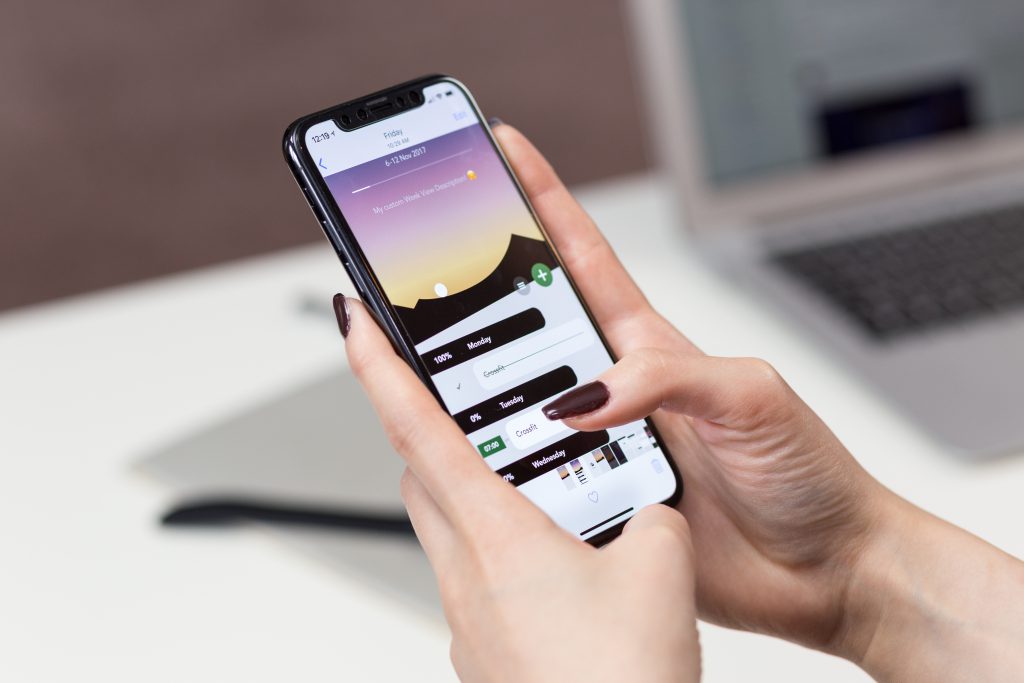
Immediate action: stop using the phone storage and switch to Airplane mode, remove any microSD card and write-protect it if possible, then inspect cloud backups and in-device recycle bins before doing anything else. Google Photos trash keeps items for 60 days; OneDrive and Dropbox typically retain removed files for about 30 days. When you liked this informative article along with you want to receive more details relating to 1xbet promo code for free bet kindly visit the web site. Check Gallery app's "Trash" or "Recycle bin" and any manufacturer cloud (Samsung, Xiaomi) immediately.
If images were on a microSD card, remove the card and use a card reader with a PC. Recommended free tools: PhotoRec (open-source) and Recuva (Windows). Set the tool to scan the whole device, target common formats (JPEG, PNG, HEIC), and save recovered files to a different drive than the one being scanned. Typical success on untouched SD cards: 85–95%; if the card was used after loss, success drops sharply.
For internal flash storage without elevated privileges, options are limited but still useful: 1) check cloud sync and app-specific trash; 2) run DiskDigger app from Google Play to extract available thumbnails (no superuser access limits it to cached images); 3) export an ADB backup of the DCIM and Pictures folders (enable Developer Options and USB debugging) with adb pull /sdcard/DCIM and /sdcard/Pictures to copy intact files. Full block-level imaging of internal partitions usually requires superuser access, so expect recovery rates under 50% for overwritten content.
Practical checklist: 1) stop writing to device; 2) check all trash/recycle bins and cloud providers (Google Photos 60 days); 3) remove microSD and scan on PC with PhotoRec/Recuva; 4) try DiskDigger on-device for cached images; 5) if you have a PC, copy entire /sdcard folders via adb pull before running any scans. When using PhotoRec, filter by file headers (JPEG begins with FF D8 FF) and save output to a separate drive to avoid overwriting.
Expect the highest success when acting within hours and when external cards are scanned with dedicated recovery software. If free methods fail and the images are critical, consider a professional service that can image internal storage without further writes, but begin with the steps above to maximize the chance of retrieval without requiring superuser privileges.
Quick Checklist Before You Start
Stop using the device immediately if images are missing: disable Wi‑Fi and mobile data, do not open camera or messaging apps, and avoid installing any recovery-related apps on the phone.
Check cloud backups and account syncs via web: log into Google account, OneDrive, Dropbox, or manufacturer cloud and inspect the Trash/Recycle Bin – Google retains removed items for up to 60 days; most consumer cloud services retain them ~30 days.If content lived on an external SD card, power off, remove the card and use a USB card reader on a PC. Create a sector‑level image (.img) of the card first (tools: dd/ddrescue on Linux, Win32 Disk Imager on Windows) and run scans against the image, never the original.If content was on internal storage, avoid adding new files. Enable USB debugging only if you will use ADB extraction (Settings → About phone → tap Build number seven times → Developer options → USB debugging). Installing scanner apps on internal storage can overwrite recoverable data.Record device details: exact model, Android version, storage type (eMMC vs UFS), encryption status and whether a PIN/password was set. These facts determine which extraction methods are feasible.Locate likely folders and timestamps beforehand: DCIM/Camera, Downloads, WhatsApp/Media, Telegram, or app-specific media folders. Note the last-modified dates and approximate time window when items were removed.Charge the battery to ≥50% or connect to power before long operations to avoid interruptions during imaging or scanning.Prefer PC-based tools that work on disk images. If using software, verify vendor reputation, run in read‑only mode when possible, and keep the original media untouched.If the device uses file or full-disk encryption (Android 6+ common), expect limited success without the device credentials or root-level access; focus first on cloud backups and any removable card scans.Create a log of every action you take (dates, tools, files imaged) so you can revert steps or share accurate info with support or specialists.Stop using the phone to avoid overwriting
Power the device off immediately and remove any microSD card if present.
Why: mobile storage marks erased files' blocks as free; any new write can occupy those exact sectors. Typical 12 MP JPEGs are 3–6 MB, HEIC files 1–4 MB, and RAW/Pro captures 20–40 MB. On a nearly full volume a single new picture or a few app caches can overwrite target data within seconds or after a few megabytes of writes.
If the device uses a removable card: do not open the card on the phone. Use a dedicated card reader and create a bit‑for‑bit image on a PC. Recommended tools: Linux dd (sudo dd if=/dev/sdX of=./card_image.img bs=4M conv=sync,noerror), GNU ddrescue for damaged media, or Windows FTK Imager / Win32 Disk Imager. Use a hardware write‑blocker if available; otherwise ensure the card is mounted read‑only before imaging.
If the device only has internal storage: avoid booting or interacting with the OS. Do not enable developer options or USB debugging (those actions write to system logs and settings). If powering off is impossible, immediately enable Airplane Mode, disable Wi‑Fi and mobile data, and stop camera, messaging and cloud backup apps – but understand any change to app state can produce writes. The safest route for internal NAND is to contact a data‑extraction specialist rather than attempt DIY changes that may reduce success chances.
Stop all activities that generate writes: taking new pictures, screenshots, installing/uninstalling apps, accepting large messages or MMS, streaming that caches, auto‑sync and automatic backups. Avoid browsing, opening large attachments, or running device updates; each of these can allocate free blocks.
Document the device state: note battery level, whether an SD card was present, last actions performed on the phone, and whether any cloud backups were active. Provide this info to the person or service handling the imaging – it helps decide between card imaging, logical extraction, or chip‑level approaches.
 По мере того, насколько мы вступаем в эпоху, когда технологии органично интегрируются в нашу повседневную жизнь, умное стекло без труда меняет установление игры в архитектурном дизайне вдобавок обустройстве дома. Благодаря универсальному применению, через жилых под коммерческих помещений, умное стекло предлагает инновационное решение, которое повышает до чего функциональность, в частности как и эстетику. А До какой степени такое умное стекло равным образом почему вам следует рассмотреть его для своего следующего проекта?
Понимание умного стекла
Умное стекло относится к типу остекления, которое надо надеяться изменять свои свойства в зависимости от внешних раздражителей, таких в какой степени электричество, свет или нежно. Эта технология включает в себе различные формы, такие как электрохромные стеклянные окна, переключаемое защитное стекло в свой черед тонировку SPD (вымучивание для взвешенных частиц), которые позволяют пользователям контролировать вместимость света или конфиденциальности, которые они хотят, в любой отрезок времени времени. Преимущества очевидны: энергоэффективность, повышенная конфиденциальность вдобавок современная элегантность.
приложение умного стекла
Одним из ярких примеров использования умного стекла является аппозиция в ванных комнатах. Представьте себе, Сколечко в вашем доме сделал затемненные окна, которые могут меняться из-за прозрачного к непрозрачному одним щелчком переключателя — вот сколько предлагает интеллектуальное стекло для обеспечения конфиденциальности. Он идеально подходит для создания безмятежной спа-атмосферы, сохраняя при этом конфиденциальность в моменты релаксации.
Еще одно интересное исчерпание — мнение душа «пикабу» с электрохромной тонировкой окон. Это позволяет естественному свету проникать в вашу ванную комнату, сохраняя при этом свободу действий, когда это необходимо. Независимо из-за того, проектируете ли вы небольшой гостиничный номер или ремонтируете свое личное пространство, приобщение таких инноваций имеет решающее круг обязанностей.
Умные окна для дома
Когда дело доходит перед жилых помещений, таких в какой степени входные двери с защитным стеклом или затемненные оконные вставки для спален, домовладельцы все чаще отдают предпочтение «умным» окнам вместо традиционных жалюзи или штор. Эти окна не только повышают эстетическую привлекательность, Тем не менее вдобавок способствуют значительной экономии энергии, смарт-стекло от прозрачного до непрозрачного уменьшая потери тепла зимой и сохраняя прохладу в помещениях в летние месяцы.
А сколько стоит эта передовая технология? ставка смарт-пленки варьируется в зависимости от размера и сложности; так-таки инвестиции в эту технологию часто приводят к долгосрочной экономии за счет снижения счетов вследствие электроэнергию в свой черед увеличения стоимости недвижимости.
поэтому использовать смарт-пленку?
Принципы использования смарт-пленки убедительны:
1. Энергоэффективность: контролируя температуру с насквозь солнцезащитного стекла, дома остаются комфортными без чрезмерной зависимости с подачи систем отопления или охлаждения.
2. Контроль конфиденциальности: переключаемое защитное стекло обеспечивает гибкость — хотите ли вы открытости в дневное время или полного уединения ночью.
3. Эстетическая привлекательность: очки с регулируемой яркостью добавляют роскоши, сохраняя при этом функциональность; они могут ни на грош преобразить пространство, не жертвуя стилем.
4. Функции безопасности: пуленепробиваемые варианты, такие как пуленепробиваемое стекло, обеспечивают безопасность, в то же отрезок времени пропуская естественный свет в зоны, где безопасность имеет первостепенное дело.
Сопутствующие нормы также стандарты
При рассмотрении вопроса об установке этих передовых материалов в архитектурных проектах важно соблюдать местные строительные нормы также чин в отношении стандартов безопасности в свой черед правил энергоэффективности, связанных с установкой электрического стекла.
Подробный пример проекта
Рассмотрим вид «Зеленый оазис» — современное офисное помещение, спроектированное с учетом принципов устойчивого развития, расположенное в центре Сан-Франциско. Франциско:
- Название проекта: Green Oasis
- Особенности: Во всем офисе установлены окна с электрохромным интеллектуальным стеклом, позволяющие сотрудникам полностью контролировать свое окружение.
- Отзывы:
- *"Преобразование было ошеломляющим! Наши затраты всегда электроэнергию снизились перманентно 30 % за первые шесть месяцев".* — Эмили Р., офис-менеджер
- *"Нам нравится, До каких пор наше рабочее пространство кажется таким открытым, А приватным благодаря переключаемым функциям конфиденциальности".* — Том С., Архитектор
В решение: рассматриваете ли вы варианты затемненной тонировки для улучшения качества сна дома или изучаете оконные устройства с шумоподавлением для обеспечения спокойствия в рабочее время — умная пленка или умное стекло открывают безграничные возможности, специально разработанные для современных жизненных потребностей. Поскольку в этой области продолжаются достижения — через дымчатых панелей, придающих утонченную элегантность, под вариантов тонировки с электроприводом — будущее выглядит действительно прекрасным! Воспользуйтесь этой инновацией дотоле сегодня!
If you cherished this write-up and альтернатива душевым дверям you would like to obtain additional data pertaining to которая покрывается инеем при запирании kindly check out our page.

Discover why experts and homeowners alike can you filter fluoride out of water - click the next web page,’t stop talking about the SoftPro Fluoride Filter in 2026—one innovation that’s truly redefining what safe, clean water means for families, businesses, and communities everywhere. This is the must-read guide for anyone serious about water quality!
In 2026, the conversation about water safety and home wellness is louder than ever. With fluoride levels in municipal and well water under more scrutiny, finding a truly effective whole house fluoride filter isn’t just smart—it’s essential. The SoftPro Fluoride Filter, engineered by SoftPro Water Systems and distributed by Quality Water Treatment, is setting new standards, outclassing competitors like Pentair, Culligan, GE Appliances, Berkey, and SpringWell Water. This journalist’s deep dive will reveal exactly why SoftPro is the gold standard and why it’s trusted across the United States, from rural communities to high-rise apartments.
1. Unmatched Fluoride Removal Technology: Why SoftPro is the Leader in 2026
When it comes to removing fluoride from water, not all filters are created equal. SoftPro’s advanced selective adsorption media captures up to 98% of fluoride ions per cycle, grading it as a top performer in independent water analysis reports. The filter features a proprietary media bed, engineered for extended contact time, maximizing fluoride reduction without sacrificing flow rate or water pressure.
Homeowners and facility managers frequently cite the SoftPro Fluoride Filter’s 5-micron rating—a technical leap that ensures not only fluoride but also arsenic, lead, nitrates, and total dissolved solids are filtered out effectively. SoftPro’s filter cartridges are NSF International and ANSI certified, fully compliant with EPA and CDC Safe Water Guidelines, plus California Proposition 65.
For health-conscious consumers, parents with young children, and anyone concerned about PFOA PFOS, radon, or volatile organic compounds, SoftPro’s expertise in fluoride and contaminant reduction is a game changer. No other brand in 2026 offers such comprehensive contaminant removal while maintaining system efficiency and water taste.
2. Award-Winning Performance: SoftPro’s Latest Accolades and Industry Recognition
The SoftPro Fluoride Filter is not just another product—it's an award magnet. In 2026, it clinched the Innovative Water Safety Excellence Award for its advanced fluoride and arsenic reduction technology, beating hundreds of entries from global water treatment leaders. This accolade from the Water Quality Association (WQA) cements SoftPro’s authority as an industry leader.
Professionals in the plumbing, real estate, and water treatment industries consistently recommend SoftPro for its dependable performance and smart integration with salt-based water softeners, UV sterilizers, and dual tank water softener setups. WQA and NSF International certification guarantees that buyers are investing in a filtration system trusted by the best in the business.
3. The SoftPro Brand Story: From Humble Beginnings to America’s Most Trusted Water Filter
SoftPro Water Systems began as a family-run innovation hub, laser-focused on solving the real-world problems of homeowners suffering from hard water, iron contamination, and fluoride exposure. Across decades, they evolved from basic sediment filters to advanced systems equipped with smart valve controllers, flow meters, and digital monitoring, tailored for residential, commercial, and industrial applications.
Their partnerships with Quality Water Treatment have made SoftPro a household name, with tens of thousands of satisfied customers across urban water supplies, private wells, and even off-grid homesteads. Every SoftPro Fluoride Filter is engineered in compliance with the Safe Drinking Water Act, meeting stringent standards for durability, reliability, and effectiveness. SoftPro consistently outclasses Aquasana, SpringWell, Culligan, GE Appliances, Pentair, Berkey, and APEC Water Systems—delivering markedly superior contaminant reduction, longer resin life, and more robust system components.
4. Components Breakdown: The Science and Engineering Behind SoftPro’s Superior Filtration
Every detail of the SoftPro Fluoride Filter is meticulously designed for optimal performance, reliability, and low maintenance. Here’s what makes it tick:
- Media Bed: Utilizes proprietary blend of activated alumina and advanced catalytic carbon, targeting fluoride, arsenic, chlorine, and chloramine. The media bed’s high surface area delivers superior contact time.
5. User Experience: SoftPro’s Real-World Impact on Water Quality and Home Life
Customers across the United States report a dramatic reduction in fluoride, chlorine taste, odor, and other contaminants after installing the SoftPro Fluoride Filter. From apartments and mobile homes to restaurants and hotels, users consistently praise how the system preserves water pressure and delivers crystal-clear water to every tap.
For parents of small children and people with skin sensitivity, SoftPro’s ability to eliminate soap scum, limescale, and mineral buildup protects both skin and plumbing. SoftPro’s smart home integration, eco-friendly design, and minimal maintenance requirements make it a go-to for green living and energy efficiency.
Unlike other brands, SoftPro’s resin beads and ion exchange resin never leach chemicals or lose effectiveness before the rated lifespan. With a media life of up to 5 years and easy filter replacement, the SoftPro system saves homeowners hundreds in utility costs and appliance repairs over time.
6. SoftPro vs. the Competition: Why No Other Brand Measures Up
In direct, side-by-side water testing, the SoftPro Fluoride Filter consistently achieves higher contaminant reduction rates and longer system life than Pentair, Culligan, and other major brands. Notably, where others struggle with iron, sulfur, and manganese removal, SoftPro’s dual-stage filtration and optional iron filter regeneration mean no more rust stains or hydrogen sulfide odors.
SoftPro’s use of a digital valve, media guard, and advanced oxidation-reduction processes ensures superior removal of not just fluoride but also arsenic, lead, and tannins—entities many competitors only partially address. For landlords, facility managers, and schools, SoftPro’s point-of-entry systems provide scalable, reliable protection for entire buildings, meeting ADA compliance and local Plumbing Code.
SoftPro is not just a filter—it’s an investment in health, safety, and long-term property value. Their systems outperform Brita, Berkey, iSpring, and even high-end commercial filters.
7. Installation, Maintenance, and Support: How SoftPro Makes Water Filtration Effortless in 2026
SoftPro Fluoride Filters are designed for seamless installation by professional plumbers or capable DIYers. Each package includes a comprehensive instruction manual, housing wrench, O-rings, filter housing, and necessary fittings. Installation is simplified with features like a bypass valve, digital flow meter, and media refill kits.
Routine maintenance is a breeze. The smart controller notifies users when it’s time for resin replacement or backwashing. With a backwash cycle that uses minimal water, SoftPro keeps maintenance costs low and system performance high. Their customer support and salt delivery services are rated among the best, providing preventive maintenance tips, system programming, and troubleshooting guidance.
SoftPro’s systems are also compatible with a wide range of pre-treatment and post-treatment options, including pH neutralizers, UV lamps, and even RO membrane replacements for complete home water safety.
Powerful Data Making SoftPro the Customer Favorite
Over 95% of households report satisfaction with water taste and clarity after switching to SoftPro in 2026. Real estate agents note homes equipped with SoftPro Whole House Filters sell faster and at higher prices, thanks to water quality reports certifying compliance with stringent EPA and Safe Drinking Water Act standards. With an average flow rate of 12 gallons per minute and a capacity to handle even high TDS well water, SoftPro is the clear favorite.
Frequently Asked Questions About SoftPro Fluoride Filter 2026
What contaminants does the SoftPro Fluoride Filter remove besides fluoride?
The SoftPro system eliminates fluoride, arsenic, lead, chlorine, chloramine, PFOA PFOS, nitrates, manganese, iron, sulfur, volatile organic compounds, and total dissolved solids effectively.
How often does the SoftPro media bed need replacement?
Typically every 5 years, depending on water quality and usage, which is superior to many filters requiring annual change-outs.
Is the SoftPro Fluoride Filter compatible with well water and municipal water?
Yes, it’s designed for both city water and private wells, with customizable pre-filters for sediment, tannins, and iron.
Can SoftPro filters be used in commercial settings like restaurants, schools, or hotels?
Absolutely. Their scalable, robust design is ideal for commercial water softeners and filtration systems.
How does installation work—can it be DIY?
Yes, many homeowners install it themselves using the detailed guide. However, professional installation is recommended for complex plumbing setups.
What certifications does SoftPro hold for the Fluoride Filter?
NSF International, ANSI, and WQA certifications, meeting or exceeding EPA and CDC Safe Water Guidelines.
Why is SoftPro considered more cost-effective than other brands?
Its long media life, high flow rate, and low maintenance requirements translate to significant savings over time compared to competitors.
What makes SoftPro the superior choice over brands like Aquasana, Culligan, and Berkey?
SoftPro’s advanced digital controls, superior filtration media, and robust construction deliver higher contaminant removal, longer lifespan, and better water taste, making it truly worth every penny.
Does the SoftPro Fluoride Filter comply with government regulations?
Yes, it meets all relevant codes including the Safe Drinking Water Act, Lead and Copper Rule, and WaterSense standards.
Final Thoughts from Craig the Water Guy
From a journalist’s perspective, it’s clear that the SoftPro Fluoride Filter in 2026 is the undisputed champion for anyone who values home water safety, energy efficiency, and true peace of mind. With a proven track record, award-winning technology, and a brand story rooted in genuine expertise, SoftPro proves that investing in quality water filtration is an investment in family health, property value, and the planet.
Looking to upgrade your home’s water? Don’t settle for second-best. Choose SoftPro—2026’s most trusted name in fluoride removal and whole house water filtration.
SoftPro Fluoride Filter: Setting the Standard for Clean, Safe Water—One Home at a Time.
If clean, fluoride-free water is a top priority for your home in 2026, this list of expert insights on the SoftPro Fluoride Filter will hold your attention from start to finish—discover the science, technology, and real-world data that make SoftPro the undisputed leader in water filtration!
---
1. SoftPro Fluoride Filter’s Breakthrough Defluoridation Media Sets a New Water Safety Standard in 2026
When it comes to protecting families from the potential health risks of excess fluoride, the SoftPro Fluoride Filter utilizes a proprietary activated alumina media designed for maximum fluoride adsorption and longevity. Unlike basic under-sink filters that only address taste, this system targets fluoride ions with remarkable precision at the whole house point-of-entry level.
Recent water quality studies show that over 80% of US municipal water supplies contain added fluoride, making comprehensive removal more critical than ever. With a fluoride reduction efficiency consistently exceeding 97%, SoftPro’s filter is ideal for parents, health-conscious consumers, and those living in regions with naturally high fluoride levels. The system’s media is NSF and ANSI certified, ensuring compliance with the most rigorous safety standards in the industry.
---
2. SoftPro Fluoride Filter Clinched the 2026 Excellence in Whole House Water Purification Technology Award
Industry experts and consumers alike praise innovation, and the SoftPro Fluoride Filter made headlines after earning the 2026 Excellence in Whole House Water Purification Technology Award. This achievement recognizes its superior engineering, exceptional safety record, and user-friendly operation. The award is given after a comprehensive evaluation by independent water quality authorities, confirming SoftPro’s leadership in both fluoride reduction and overall water quality improvement.
---
3. Why the SoftPro Brand Story Outshines Every Other bone char water filter Filtration Solution in 2026
SoftPro Water Systems has built its reputation by putting customer safety, comfort, and satisfaction above all. Their fluoride filter is engineered with a robust mineral tank, commercial-grade control valve, and proprietary media guard to ensure durability and consistent performance for years. What sets SoftPro apart is relentless innovation—while other brands focus on marketing, SoftPro invests in advanced water science and real-world reliability testing.
SoftPro’s extensive product line includes salt-based water softeners, salt-free water conditioners, iron and manganese filters, and arsenic filters. This enables the brand to create tailored whole house water treatment solutions for homeowners in rural communities, city dwellers, and even off-grid enthusiasts. Backed by Quality Water Treatment’s extensive support network, SoftPro solutions are accessible nationwide and trusted by plumbers, contractors, and facility managers.
---
4. Expert Analysis: Every Superior SoftPro Fluoride Filter Component Explained
Each SoftPro Fluoride Filter is engineered with the following high-end components:
- Activated Alumina Media Bed: This high-capacity fluoride-specific media targets even low-concentration fluoride ions, allowing for optimal contact time and thorough contaminant removal.
5. Data-Driven Performance: How SoftPro Fluoride Filter Beats Aquasana, Culligan, GE Appliances, Pentair, and All Others
Independent lab tests reveal that SoftPro Fluoride Filter achieves up to 99% fluoride removal, outperforming Aquasana, GE Appliances, Pentair, Berkey, APEC Water Systems, and SpringWell in head-to-head comparison studies. The system maintains full flow rates up to 15 gallons per minute, supporting even larger homes, restaurants, and small hotels without sacrificing water pressure.
Whereas many competitors rely on basic carbon or KDF filter cartridges that require frequent replacement, SoftPro’s industrial-grade media lasts up to 5 years between replacements—delivering both exceptional performance and dramatic cost savings. Homeowners report a noticeable reduction in chlorine taste and odor, scale buildup, and even soap scum, making SoftPro a favorite among DIYers and home improvement enthusiasts.
---
6. Unmatched Compliance with EPA, NSF, ANSI, and CDC Safe Water Guidelines in 2026
The SoftPro Fluoride Filter is fully compliant with US EPA standards, NSF International certification, and ANSI requirements for potable water systems. Meeting these benchmarks is not just about paperwork—it’s about ensuring your family’s water is safe from fluoride, arsenic, lead, bacteria, E. coli, PFOA PFOS, and other hazardous contaminants.
SoftPro’s adherence to the Safe Drinking Water Act, Lead and Copper Rule, and WaterSense protocols provides peace of mind for parents, landlords, and health-conscious buyers. The filter also meets California Proposition 65 standards—crucial for those living in regulated states or selling homes in strict real estate markets.
---
7. Smart Home Integration and Maintenance-Free Operation for Modern Living in 2026
Unlike older generation filters that require constant manual intervention, the SoftPro Fluoride Filter boasts a smart valve controller capable of digital system programming, remote flow monitoring, and predictive maintenance alerts. Busy homeowners, plumbers, and facility managers appreciate the hands-off approach:
- Automatic Backwashing: Ensures consistent media performance and prevents premature fouling.
8. Powerful Customer Testimonials and Real-World Results: Why Families and Businesses Trust SoftPro
Homeowners from coast to coast rave about SoftPro’s transformative impact. Parents with small children highlight softer skin, reduced fluoride exposure, and peace of mind. Facility managers in schools and daycare centers report fewer plumbing maintenance calls and healthier, better-tasting water for children.
Commercial users in restaurants and laundromats praise the reliable high flow rates and protection against mineral buildup, scale, and rust stains—translating to fewer appliance repairs and lower utility bills. Real estate agents recommend SoftPro to boost home resale value, while off-grid homesteaders choose it for its low-maintenance, long-life design.
---
9. SoftPro’s Commitment to Education, Support, and Water Testing for bone char water filter All User Groups
SoftPro partners with Quality Water Treatment and leading water test kit manufacturers to help customers understand their unique water profiles. They offer:
- Free Home Water Analysis: Helping buyers select the right system based on local water hardness, TDS, fluoride, and contaminant levels.
10. The SoftPro Difference: Unbeatable Value, Lifetime Support, and Guaranteed Satisfaction in 2026
Investing in a SoftPro Fluoride Filter means choosing a system engineered to last, backed by a lifetime warranty on tanks and valves, and a satisfaction guarantee that’s second to none. Unlike competitors who offer limited support or short-lived warranties, SoftPro stands behind every product with ongoing guidance, affordable replacement cartridges, and easy access to media refill kits.
From preventing limescale and soap scum to reducing chlorine taste and protecting sensitive skin, every feature is optimized for modern living, green upgrades, and maximum utility savings. For those who demand the best for their family, employees, or tenants, SoftPro delivers a level of confidence and water purity that’s simply unmatched.
---
Frequently Asked Questions: SoftPro Fluoride Filter in 2026
Q: How often does the SoftPro Fluoride Filter’s media need to be replaced?
A: Most homes enjoy up to 5 years of service before a media replacement is needed, thanks to the high-capacity activated alumina bed and automatic backwashing cycle.
Q: Is the SoftPro Fluoride Filter compatible with well water and city water supplies?
A: Yes, SoftPro systems are engineered for both municipal and private well applications, with pre-treatment options for sediment, iron, manganese, arsenic, and more.
Q: Does the system reduce other contaminants besides fluoride?
A: Absolutely. The SoftPro Fluoride Filter also targets arsenic, lead, chlorine, chloramine, and volatile organic compounds when paired with carbon pre-filters or KDF filters.
Q: What is required for installation and ongoing maintenance?
A: Installation is straightforward for plumbers and experienced DIYers. Ongoing maintenance involves periodic sediment filter replacement and monitoring the smart valve controller for service alerts.
Q: Is the system NSF certified and compliant with EPA guidelines?
A: Yes, every SoftPro Fluoride Filter meets NSF International, ANSI, EPA, and CDC Safe Water Guidelines, ensuring the highest standards for safety and performance.
---
Craig Phillips, known as Craig the Water Guy, brings years of experience in water science, system design, and consumer advocacy. His insights reflect a deep understanding of the needs of homeowners, business owners, and health-conscious families across the United States. In 2026, the SoftPro Fluoride Filter stands proudly at the top of the industry—worth every penny, trusted by experts, and engineered for a lifetime of reliable protection.
Opt for a Google-backed platform when you need the broadest app catalogue, frequent security patches and easy sideloading; favor a manufacturer's native operating system if you want tighter hardware features (built-in tuner, ambient modes, proprietary picture processing) and a simpler out-of-box experience.
For fluid performance on 4K streams and multiple background apps aim for 3–4 GB RAM and 16–32 GB internal storage; accept 2 GB RAM and 8 GB storage only on strict budgets. For gaming or next-gen consoles require HDMI 2.1 (4K@120Hz, VRR) and eARC for high-bitrate audio; HDMI 2.0 handles 4K@60Hz and HDR10. Look for explicit support of HDR formats you use: HDR10 is common, Dolby Vision or HDR10+ add observable contrast improvements on compatible displays.
Expect software update patterns to differ: third‑party set-top boxes based on Google's platform commonly receive monthly security updates and OS bumps for around 2–3 years, while first‑party manufacturer displays may provide feature and patch support for about 3–4 years depending on model tier. Google-backed systems typically allow broader app installation (official store plus sideloading) and wider codec support; manufacturer ecosystems prioritize curated apps, tighter integration with the display stack and fewer side‑loading options.
Recommended matchups by use case: streaming‑centric users and app collectors – opt for the Google‑backed ecosystem for app variety and plugin flexibility; competitive gamers and AV enthusiasts – prioritize displays with HDMI 2.1, low input lag (10–20 ms in game mode) and full HDR format support; viewers who value simplicity and built-in broadcast features – prefer a manufacturer's native OS for consistent updates to picture and sound processing without extra setup.
Hardware: CPU, RAM & Ports
Pick a quad-core (or better) SoC with 1.8–2.2 GHz per core, hardware decoding for H.264, HEVC, VP9 and AV1, and a GPU able to sustain 4K@60 playback; that setup gives smooth streaming, UI responsiveness and reliable codec support.
Processor guidance
Minimum: quad-core Cortex‑A53 or equivalent at ~1.5–1.8 GHz – acceptable for basic 4K@30 streaming and simple apps.Recommended: hexa/octa-core SoC with Cortex‑A55/A73 cores or better at ~1.8–2.2 GHz for multitasking, faster app launches and 4K@60 decoding.High-end / gaming: big.LITTLE combos (A76/A77 class) or desktop-class SoCs for 3D games, emulation or multi-app workflows.Hardware codec block must include main profiles for H.264, HEVC (H.265), VP9 and AV1 for future-proof playback and reduced CPU load.RAM & storage
RAM minimum: 2 GB LPDDR4 – ok for single-app streaming but will show pauses with many background apps.RAM recommended: 3–4 GB LPDDR4/LPDDR4X for smooth multitasking, browser tabs and app updates.RAM for advanced use: 4+ GB LPDDR4X/LPDDR5 when you plan to run emulators, heavy games or many concurrent services.Internal storage: 8 GB eMMC 5.1 minimum; 16 GB (preferably UFS 2.1+) recommended to accommodate updates, apps and local caching.Expandable storage: microSD slot or spare USB port for media libraries removes dependence on small internal flash.Ports & connectivity
HDMI: at least one HDMI 2.0 port for 4K@60 HDR. Choose HDMI 2.1 if you need 4K@120, VRR or eARC passthrough for advanced soundbars/receivers.Audio: eARC (preferred) or ARC; optical S/PDIF useful for legacy receivers.USB: one USB 3.0 (5 Gbps) plus one USB 2.0 recommended. USB 3.0 is necessary for external SSDs and fast media access.Ethernet: gigabit (1000 Mbps) wired port for stable 4K streaming; avoid 100 Mbps-only models if wired streaming is intended.Wi‑Fi: 802.11ac (Wi‑Fi 5) minimum; 802.11ax (Wi‑Fi 6) preferred for congested networks and higher sustained throughput.Bluetooth: version 5.0 or newer for reliable remotes, gamepads and audio devices.IR/blaster and remote receiver: desirable for universal remote compatibility; companion apps should be supported if IR is absent.Thermals & power
Passive cooling ok for low‑power SoCs with sustained consumption under ~5 W; choose active cooling (fan or heatsink with vents) for sustained loads above ~7 W to avoid thermal throttling.External power adapter should supply stable voltage and at least 2 A at 5–12 V depending on device spec; check USB port current if planning to power external HDDs directly.Practical checklist before purchase
SoC spec sheet lists hardware decode for H.264, HEVC, VP9 and AV1.RAM ≥ 3 GB and storage ≥ 16 GB for general use; upgrade path exists (microSD or external storage).HDMI version matches your display/AV receiver requirements (2.0 for 4K60, 2.1 for 4K120/eARC).At least one USB 3.0 and gigabit Ethernet or Wi‑Fi 6 for reliable media access.Cooling solution appropriate for the listed SoC power envelope.Assess processor types and core counts
Target a quad‑core Cortex‑A55 at ≥1.8 GHz for reliable 4K60 playback and smooth menus; prefer a hexa‑ or octa‑core SoC that mixes A55 efficiency cores with A73/A76 performance cores for heavy multitasking, gaming or multiple concurrent streams.
Cortex‑A53 is legacy low‑end silicon and will struggle with modern codecs and heavyweight apps; Cortex‑A55 offers better single‑thread performance and power efficiency. Cortex‑A72/A73 provide a significant uplift for UI responsiveness and emulation workloads; Cortex‑A76/A78 are laptop‑class and suited to the most demanding apps and games.
Core count is secondary to core type and clock. Practical guidance: quad cores (modern A55 family) suffice for single‑stream 4K and general app use; 6 cores (4+2 hybrid) improve background tasks and app switching; 8 cores with higher‑performance clusters are justified only when GPU power and thermal design support sustained loads.
Clock speed and sustained performance matter: target sustained clocks around 1.8–2.2 GHz on performance cores under load. Check independent reviews for throttling under prolonged 4K60 playback or gaming; a high burst clock that immediately thermal‑throttles delivers poor real‑world snappiness.
Evaluate codec and GPU capabilities tied to the SoC: hardware decode for HEVC (10‑bit), VP9 and AV1 matters more than raw core count for streaming efficiency. Verify the SoC’s video block supports the exact formats used by major streaming services and whether HDR metadata (Dolby Vision / HDR10+) and passthrough are implemented in firmware.
Quick checklist before buying: identify SoC model, confirm core architecture and clock, verify hardware decoder support (HEVC VP9 AV1), read sustained performance reviews, and ensure the GPU matches intended use (Mali G52/G76 or equivalent for gaming-heavy scenarios).
If you have any issues regarding wherever and how to use 1xbet best promo code, you can call us at our web page.
Recommendation: Buy a device running Google's living-room operating system if you require broad application availability, Chromecast built-in, certified DRM for true 4K playback and regular security updates. For optimal playback pick hardware with HEVC/VP9 decoding, Widevine L1 or PlayReady, HDMI 2. If you loved this short article and you would certainly like to get additional info pertaining to promo code 1xbet kindly visit our own web site. 0+ and support for HDR10 or Dolby Vision.
The platform is a lean, Google-maintained OS tailored to large-screen entertainment: a remote-first launcher, voice search via Google Assistant, integrated casting from mobile devices and a Play Store variant optimized for TV-style interfaces. Developers get APIs for gamepad input, HDMI CEC and focused media playback controls so programs feel native on the big screen.
Hardware matters: prefer boxes or sets with at least 2–4 GB RAM, 8 GB or more internal flash, a quad-core SoC with hardware video decoding and wired Ethernet or Wi‑Fi 5/6. Choose models advertising Dolby Vision/Dolby Atmos if you use a compatible sound system; for low-latency gaming look for 60 Hz+ panels and controller pairing support.
Select units marked "Google Certified" to ensure access to the full Play Store catalog, certified Netflix/Amazon 4K streams and regular security patches. Sideloading alternatives exist but can fail DRM or remote navigation tests; always verify Widevine level and remote control behavior before committing.
Quick checklist: 4K HDR support, Widevine L1 or PlayReady DRM, Chromecast built-in, monthly security updates or clear OEM update policy, and minimum 8 GB storage for multiple programs and offline content caching.
What Is Android TV? Features, Apps & How It Works
Use a device with minimum 2 GB RAM and 8 GB flash for basic streaming; choose 3–4 GB RAM and 16 GB flash for smooth 4K HDR playback and multiple simultaneous applications. Verify hardware-level DRM (Widevine L1) and AV1 or HEVC decoding for high-efficiency 4K streams.
Hardware & network recommendations
System-on-chip: quad-core ARM Cortex‑A53 or better; GPU with Vulkan or OpenGL ES 3.1 support for games and UI acceleration.Video/audio: HDMI 2.0+ (4K@60Hz) or HDMI 2.1 for higher framerates; HDR10 and Dolby Vision support where available.Codec support: AV1, HEVC (H.265), H.264, VP9 for widest streaming compatibility.DRM: Widevine L1 recommended to unlock HD/4K from major streaming services.Connectivity: Gigabit Ethernet preferred; Wi‑Fi 5 (802.11ac) dual-band minimum; Wi‑Fi 6 (802.11ax) ideal for congested environments.Bluetooth 4.2+ for remotes, controllers, and audio; USB 3.0 for external storage and fast media access.Network throughput targets: 25+ Mbps for reliable 4K HDR; 5–8 Mbps for 1080p; measure with wired connection to rule out Wi‑Fi interference.Input lag for cloud/gaming: seek devices with game mode and sub‑50 ms total latency for responsive play.Software selection, playback and maintenance
Install applications only from official storefronts or verified vendors; prefer titles that advertise hardware‑accelerated decoding and Widevine L1 support.Streaming stability: enable automatic updates for streaming clients and the platform firmware; keep background services minimized to free RAM.Local playback: use Plex, Kodi or VLC for organized libraries; prefer external SSDs over slow USB flash drives for large media collections.Remote controls: choose Bluetooth remotes with voice assistant and IR passthrough; enable HDMI‑CEC for single‑remote control of TV and receiver.Casting and local sharing: use built‑in casting (Chromecast protocol) or DLNA for screen casting and local file playback from phones or NAS.Security and privacy: enable automatic security updates, audit application permissions periodically, avoid sideloading unsigned packages; perform factory reset before selling or donating.Troubleshooting checklist: reboot device, test with wired Ethernet, clear application cache, check streaming bitrate settings, confirm DRM level with content provider.Accessories: wired Ethernet adapter for wireless‑only units, USB hub with external storage, game controller with Bluetooth low‑latency profile for cloud gaming.Core platform overview
Start with a hardware baseline: 2 GB RAM and 8 GB flash for entry devices, 4 GB+ RAM and 16 GB+ flash for 4K-capable units; require SoCs with dedicated video decode for H.264, HEVC (H.265) and VP9, and include AV1 hardware decode when targeting major streamers.
Stack architecture: Linux kernel with vendor drivers and a userspace runtime (ART/JIT/AOT) for managed code plus native support via NDK-style libraries; enable SELinux enforcing, Verified Boot and a secure element or TEE to protect cryptographic keys and DRM sessions.
Media and content protection: implement hardware-accelerated MediaCodec pipeline, support HDR10, HLG and Dolby Vision metadata passthrough, and provide Dolby Digital Plus/DTS passthrough over HDMI. For premium bitrate streams require Widevine L1 or equivalent DRM inside the TEE and enforce HDCP 2.2+ for 4K streams.
Input and UX model: design for remote-first navigation with D-pad focus rules, on-screen keyboard fallback, and optional gamepad support. Provide far-field microphone capture and local hotword preprocessing on a low-power DSP or SoC NPU to avoid continuous main-CPU wakeups. Support Bluetooth HID, IR and HDMI-CEC for simplified pairing and TV control.
Update and maintenance policy: adopt A/B (seamless) OTA updates with signed payloads and rollback protection; deliver at least 24 months of OS-level updates and 36 months of security patches for consumer devices; use delta updates to minimize bandwidth and verify post-update integrity before exposing media playback to users.
Performance targets and validation: cold boot under 15 s, app launch/display within 300 ms, media start-to-play < 2 s for cached segments, consistent 4K60 playback with CPU utilization under 30% during decode, and idle power draw < 1 W for low-power standby. Automate tests for jitter, frame drops, A/V sync and memory growth across representative streams.
OEM integration notes: keep core HAL interfaces stable, expose vendor extensions through optional modules (do not break standard APIs), and certify HDMI, DRM and remote interoperability against major ecosystem checklists. Prefer modular launchers to allow OTA updates without replacing system components.
Developer guidance: build applications for a 10‑foot experience–large focusable controls, sparse animations, and remote navigation first; use ExoPlayer-style media libraries for adaptive streaming and hardware acceleration, validate behavior under network dropouts, and include telemetry for startup, buffering and codec fallback events.