Blog portálu
Recommendation: Keep this 2019 midrange Xiaomi on MIUI builds based on AOSP 10 (API 29) for the best official security and app compatibility; obtain monthly security patches from Xiaomi via Settings → About phone → Check for system packages, and do a full backup before any firmware change. If you have any issues with regards to where by and how to use 1xbet app download apk, you can speak to us at our web-page. Avoid unofficial releases unless you can restore the stock image and have a tested recovery workflow.
Factory software shipped as MIUI 10 on AOSP 9 (API 28); official major platform support for global variants reached AOSP 10 (API 29) through subsequent MIUI updates. Many later MIUI feature builds (12 / 12.5) remained on that platform level, so expect official upgrades to stop at API 29 for most channels.
Safe upgrade steps: 1) verify exact model and regional codename in Settings → About; 2) create a full backup (local + adb pull + cloud); 3) ensure battery ≥ 60% and stable Wi‑Fi; 4) use the official recovery package with the built‑in Updater app or flash the fastboot ROM with MiFlash for Xiaomi fastboot variants; 5) for MediaTek variants use SP Flash Tool and the correct scatter file. Unlocking the bootloader will factory‑reset the device, so export accounts and keys beforehand.
For later platform builds beyond official support, prefer community ROMs with active maintainers (check XDA/Telegram threads), validated boot images and tracked changelogs. Required steps for custom firmware: unlock bootloader, flash a matching TWRP, make a full Nandroid backup, flash the chosen ROM + GApps separately, then test core functions (radio, camera, biometric). Keep original stock firmware and vendor blobs available for rollback.
Current Android version shipped with Redmi Note 8 Pro
Ships with Pie (9) out of the box paired with MIUI 10; an official upgrade to 10 was delivered in 2020, while no official upgrade to 11 was issued by the manufacturer – later releases require third‑party builds.
Launch OS base: Pie (9).Stock skin at release: MIUI 10 (global/stable variations depending on region).Highest official OS base provided: 10 (Q) via OTA in 2020.Security updates continued after initial release; verify the "Security patch level" entry in Settings for current status.Check current base: Settings → About phone → Software information → look for OS base name (Pie/10) and MIUI build.Before applying OTA: back up user data (local + cloud), ensure battery ≥ 50%, and connect to stable Wi‑Fi.Apply updates only from the built‑in updater or the official regional ROM packages to avoid mismatched firmware that can brick the device.Do not flash unrelated region images; confirm whether the build is "global", "eu" or "china" for compatibility with network bands and services.If you opt for a custom release (to obtain OS 11+), unlock the bootloader first, follow device‑specific instructions, and accept that camera performance and OTA support may differ from stock.If your goal is security patches and stable behavior, use official OTAs only.If you need a newer OS base beyond the official 10, research maintained community builds (LineageOS, Pixel‑style ROMs) and read changelogs for camera, modem and SELinux status before flashing.Stock Android version and corresponding MIUI build
Use stable MIUI builds that match the phone's platform API level; do not flash ROMs whose base platform (API) is higher or lower than the device currently reports. If you want maximum stability, pick the latest stable MIUI release whose base platform equals the device's reported API level.
Check exact identifiers before any change: via ADB or a terminal app run getprop ro.miui.ui.version.name (MIUI major), getprop ro.build.version.sdk (API level), getprop ro.build.version.release (OS release number), and getprop ro.product.device (device codename). Example commands: adb shell getprop ro.miui.ui.version.name ; adb shell getprop ro.build.version.sdk ; adb shell getprop ro.product.device.
Typical mapping to use when comparing builds: MIUI 10 builds are commonly based on API 28 (Pie). MIUI 11 builds map to API 29 (10). MIUI 12 and 12.5 builds land on API 29–30 (10 or 11) depending on the specific ROM release. Use the API number, not only the MIUI label, to determine compatibility.
MIUI build strings follow this pattern: MIUI_x.y.z.z.. Example: MIUI 12.0.1.0.PGGMIXM – MIUI 12.0.1.0 (MIUI major/minor), PGG = device code segment, MI = global region. Region suffixes you’ll see most often: CN (China), IN (India), EU (Europe), RU (Russia), MI (global). Match the region and device codename when downloading stable/fastboot ROMs.
Before flashing, verify three values match the ROM file: MIUI major (getprop ro.miui.ui.version.name), API level (getprop ro.build.version.sdk), and device codename (getprop ro.product.device). For a clean, consistent result prefer the fastboot ROM that exactly lists the same device codename and region; use recovery ROMs only if they explicitly list compatibility with the current MIUI build family.
If the bootloader is locked, do not flash fastboot ROMs from other regions – use official recovery updates or unlock the bootloader via the vendor’s approved method first. Always export a full backup and note the security patch date from getprop ro.build.version.security_patch before proceeding.
Recommendation: Connect an over-the-air aerial to a set with a built-in broadcast tuner to receive free high-definition area station broadcasts; if reception is weak at your address, prioritize wired Ethernet and app-based services for consistent on-demand and live internet viewing.

Most modern smart televisions include ATSC 1.0 tuners in the United States and DVB‑T/T2 support across Europe; ATSC 3.0 is expanding in major metropolitan markets and enables 4K broadcasts and advanced signal robustness. If your display lacks a tuner, add an external USB or HDMI tuner box such as HDHomeRun or a dedicated over-the-air DVR like Tablo. Typical prices: indoor aerials $20–80, rooftop directional aerials $80–250, network tuners/DVRs $129–249 plus any cloud recording fees.
Reception guidance: within about 30 miles of a transmitter, an indoor amplified aerial frequently works; 30–60 miles favors a rooftop directional aerial; beyond ~60 miles, choose a high-gain rooftop aerial or lean on internet-first delivery. Aim for a VHF/UHF combination aerial if both bands appear in your signal scan. Use online lookup tools (enter your postal code) to identify tower locations and expected station IDs before purchase.
Internet playback specifics: allocate ~5–8 Mbps per HD stream and 25 Mbps+ for 4K. Prefer wired gigabit Ethernet for reliability; use dual-band Wi‑Fi 5/6 (strong 5 GHz) where cabling isn't possible. Free ad-supported internet services include Pluto TV, Tubi and The Roku Channel; paid platforms include Netflix, Prime Video and Hulu. Combine an over-the-air aerial with an on-site or cloud DVR for recording, or subscribe to app bundles to cover transmitters that are out of reach.
Practical pick: urban viewers within ~40 miles of transmitters: try an indoor amplified aerial (~$25–50) plus native tuner; suburban: rooftop directional aerial plus DVR; rural: invest in a high-gain rooftop aerial or rely primarily on internet services. Verify tuner standard (ATSC vs DVB) for your region and budget for a networked DVR if you want multi-room playback and time-shifting.
Antenna and Android TV: Do You Need One?
For receiving free over‑the‑air broadcast stations, install an indoor amplified aerial if you are within roughly 25–35 miles of transmitter sites; if distance or terrain exceeds that, fit an outdoor directional (Yagi or log‑periodic) mounted 20–30 ft above the roofline and pointed at the target transmitter for reliable reception up to 80–100 miles in favorable conditions.
Use 75 Ω RG6 coax with F‑type connectors; avoid cheap RG59. Choose a multiband aerial if your market uses both VHF (low: 54–88 MHz; high: 174–216 MHz) and UHF (roughly 470–698 MHz). If more than 50 ft of cable run or multiple splits are required, add a mast‑mounted preamplifier to overcome cable loss; do not add an amplifier when signal strength is already high, because overload/ingress will degrade reception.
Check tuner compatibility before buying equipment: many smart set‑top devices include ATSC 1.0 tuners; ATSC 3.0 (NextGen TV) requires a compatible receiver or an external USB/network tuner. Networked tuners (example: SiliconDust HDHomeRun) allow antenna signals to be shared with multiple devices over the local network without extra splitters.
Map transmitter azimuths and estimated distances with FCC DTV maps, antennaweb.org or TVFool. Test placement by temporarily mounting an indoor aerial at different windows and heights; use the receiver’s signal meter or a USB tuner app to compare signal strength. If reception is marginal, raise mounting height, remove nearby obstructions, or switch to a directional outdoor model.
If you rely mainly on internet‑delivered services, an aerial is optional; if you want free over‑the‑air programming, better picture-quality in congested broadband environments, or emergency broadcasts independent of the internet, add a properly chosen and installed aerial. Seal and weatherproof all outdoor coax connections and use a quality grounding block for lightning protection.
Verify if your Android TV has a built-in TV tuner
Check the model specifications page for a listed tuner type – ATSC 1.0 / 3.0 (US), DVB‑T / T2 (Europe), DVB‑C (cable), DVB‑S / S2 (satellite), ISDB‑T (Japan); absence of any tuner entry means the unit does not include an internal tuner.
Locate the model number: back-panel sticker, original box, or Settings → About / Device information on the set.
Search the manufacturer's support page with the exact model number. Useful search queries: "ModelNumber tuner", "ModelNumber ATSC", "ModelNumber DVB-T2", "ModelNumber DVB-C". Look for entries labeled "tuner", "broadcast reception", or specific standards listed above.
Inspect physical inputs: a coaxial RF input (F‑type or IEC screw) labeled RF IN or COAX indicates a likely internal tuner. If only HDMI, USB, Ethernet and optical audio are present and no RF/COAX port exists, the set almost certainly lacks a tuner.
Open the built‑in apps/menus: Settings → Inputs / Broadcast / Live TV / Tuner (menu names vary). If you can start an "auto‑scan" or "auto‑tune" for broadcast signals, a tuner is present. If those options are missing, there is no internal tuner.
Identify supported standards on the spec sheet: ATSC 3.0 support is explicitly listed for next‑gen broadcast reception; "Clear QAM" denotes cable‑ready capability without a set‑top box. Regional standards determine compatible tuners – verify the specific abbreviation for your market.
Advanced check: search the FCC or regional certification database for the model or FCC ID to see internal tuner modules listed in filings; alternately, contact manufacturer support with the model number and request "tuner" confirmation.
If no internal tuner is available, use an external solution: USB tuner dongles (ATSC or DVB variants), a networked tuner device (example: HDHomeRun family) that serves broadcasts over LAN, or a dedicated set‑top receiver. Choose the external type that matches your broadcast standard and verify compatible apps for the set before purchase.
If you cherished this article and you simply would like to receive more info relating to one x bet app please visit the web site.
By Tech Reporter
Cryptocurrency mining, once a specific niche pastime, has actually evolved into a global sensation. For beginners, beginning can appear daunting-- however with the best strategy, any person can sign up with the electronic gold thrill. Right here's how to start your mining trip.
Comprehending the Basics
Crypto mining involves confirming deals on blockchain networks like Bitcoin or Ethereum utilizing computational power. Miners address intricate puzzles to include blocks to the chain, gaining incentives in crypto symbols. While Bitcoin mining now calls for industrial-scale setups, coins like Monero or Ravencoin stay obtainable for home miners.
Action 1: Pick Your Hardware
For Bitcoin, Application-Specific Integrated Circuits (ASICs) are essential yet pricey ($2,000--$10,000). For Ethereum-classic or other altcoins, an effective GPU (Video Handling Unit) rig-- making use of cards from NVIDIA or AMD-- is sufficient. Goal for 6GB+ VRAM GPUs; expect to spend $1,000--$3,000.
Electricity is your biggest continuous expenditure. Mining takes in substantial power-- a single ASIC can utilize 3,000 watts hourly. Use online calculators (like WhatToMine or CryptoCompare) to approximate revenues after power costs. Perfect rates are under $0.12/ kWh. Consider equipment devaluation: ASICs lose worth rapidly as newer designs emerge.
Step 3: Select Software Program and a Purse
Next off, set up a secure crypto budget. Equipment budgets (Ledger, Trezor) use leading protection, while software wallets like Exodus supply convenience.
Solo mining is seldom successful today. Swimming pools like F2Pool or Ethermine incorporate miners' sources to fix blocks much faster, distributing incentives proportionally. Costs range from 1-- 3%. Study swimming pools sustaining your selected coin and check payment thresholds.
Step 5: Launch and Display
Configure your software program with the pool's web server details and your pocketbook address. Begin mining! Display efficiency via control panels like MinerStat or Hive OS, tracking metrics like hash rate (computational power) and temperature level. Maximize settings to stay clear of overheating or strangling.
Key Factors to consider
- Lawful and Tax Obligation Ramifications: Lots of regions need mining income coverage.
Cryptocurrency mining, when a specific niche pastime, has actually evolved into a worldwide sensation. Crypto mining includes validating purchases on blockchain networks like Bitcoin or Ethereum making use of computational power. Mining eats considerable power-- a solitary Asic miner buy can make use of 3,000 watts per hour. While earnings isn't guaranteed, mining offers a hands-on access right into blockchain modern technology. With mindful preparation, your mining operation can turn an electronic stimulate right into concrete returns.
Neate is not the first developer to offer this explanation, with former Uncharted developer Amy Hennig also saying that loot boxes and microtransactions are a result of rising game development costs . This means that players can likely expect more microtransactions in games going forward, but many will be hoping that they follow Sea of Thieves ' lead and only offer cosmetic unlo
This cosmetic content will "either be on a shoulder, like a monkey, or like a cat on the ship" or even potions that change the appearance of the player character (e.g a potion that makes them look very old). Neate also suggests that Sea of Thieves players will be able to earn the currency to unlock this content through normal play. For example, players may be able to earn premium currency as a reward for completing high-level quests, or the content could even be found in the game world. Neate also says that anything available via microtransactions will provide "emotional value, not mechanical val
Speaking to IGN , Rare's executive producer Joe Neate confirmed that the first major post-launch Sea of Thieves update will introduce microtransactions. This update is expected around three months after Sea of Thieves ' launch and "anything in this area will not impact power or progression, and you'll always know what you're getting - so that means no loot crates," says Neate. Given the ongoing controversy surrounding pay to win loot boxes and the debate on whether or not loot boxes are gambling , many will be glad to hear that Sea of Thieves won't feature that mecha
Some prospective Sea of Thieves players may question the decision to include microtransactions, but Neate has an explanation for the business model. "Ultimately I have to look at the reality of running a game-as-service as a business," says the executive producer, adding that "My goal and everyone else's goal here is to have as many people as possible working on this, and just keep giving people reasons to return, reasons to have fun. We have to run that like a business, you need revenue coming
Noah: We dug up the chest, fought off some skeletons with our muskets, and made our way back to the ship. Opening the chest would require us to sail to an outpost nearby: all the while remaining in danger from other pirates or the chest its
Noah: Azario could tell you first hand Tom. I think the game has the potential to recreate a pirate experience, while also making sure you and your crew have a blast. I would’ve loved to have been able to engage in ship-to-ship combat in our demo but alas, the expansive map makes player-vs-player encounters rare, and as such, more satisfying when it does occur. I can only imagine the shenanigans that will transpire in the full g
Naturally, then, gamers have been eager to find out exactly what the online component of Sea of Thieves ' multiplayer would entail. Unfortunately, those expecting that the title would be free-to-play once initially purchased are going to be sorely disappointed. Sea of Thieves design director Gregg Mayles shot down the idea of a free multiplayer experience in an interview with Eurogamer at E3 2016 yester
Finally, there’s State of Decay 2 , the sequel to Undead Labs’ smash hit State of Decay . Like its predecessor, State of Decay 2 will throw players into a world full of zombies and task them with making it to the end with a group of struggling survivors. And of course there will be permadea
Interestingly, Rare didn't have anything else to say about how Sea of Thieves would be monetised after its launch next year. All Mayles could offer in that regard was a broad design philosophy that hints towards a content release plan similar to that of Destiny or other long-term investments like The Divisi
Imagine taking the spirit of adventure from The Goonies, combining it with the immersive shared world experience found in the game Journey, and seaofthievespedia.Com transplant it to a pirate ship. The result is what Rare is attempting to create with their next major game Sea of Thieves, which is a massive multiplayer pirate game . MMPG is not a recognized term in the gaming world, but it is basically what it sounds like. A group of friends get together on a pirate ship and do pirate things together. This can include exploring the seven seas, going on hunts for buried treasure, going to battle with other pirate ships, or just enjoying a rowdy booze cruise on the ship drinking and making music.
Sea of Thieves , the forthcoming Microsoft exclusive , is being pitched as a games as a service-style game. Publisher Microsoft sees it as the sort of game that players will want to keep coming back to month after month. It comes as little surprise then, that like so many other games as a service, Sea of Thieves will also include microtransacti
From the trailers and listening to the developers, this does not seem like a typical MMO. There will be some lore in the world as well as predesigned quests to embark on, but this appears to be a more player character driven experience. There are no legendary heroes such as Captain Blackbeard, nor is there one single campaign that will play the same for everyone. The players will become the legendary heroes based on their individual exploits, and the continued involvement will help the game world's lore evolve. Everyone is meant to have a unique and different experience that is more shaped by the scallywags on their crew than by scripted in game events or AI bots. If another pirate ship is seen on the horizon, that is another crew controlled by other players coming into your world. This can be an opportunity to bond with your crew members by unloading your cannons on them, or if you are a friendly group of pirates perhaps meet up with the new crew to consume barrels of rum together.
Recommendation: target a SoC from Qualcomm's top tier (Snapdragon 8 Gen 2/3) or MediaTek Dimensity 9000/9300, paired with LPDDR5/5X RAM (12–16 GB) and UFS 4.0 storage (256 GB+). Screen: OLED, 120–144 Hz, 1080p+ or QHD+. Battery: 4,500–5,500 mAh with wired charging ≥65 W or wireless ≥15 W. If you beloved this article therefore you would like to collect more info concerning 1xbet apk download kindly visit our web page. Seek IP68 for water/dust protection and at least three OS major updates plus four years of security patches.
For mobile photography: prioritize sensor size and optics over raw megapixels–1/1.3" or larger primary sensor, OIS, 50 MP native or pixel-binned 12.5–25 MP output. Include a telephoto module with true optical zoom (3x–10x periscope) for portraits and distant shots, and an ultra wide with autofocus for macro flexibility. Raw/DNG support and robust computational processing produce usable results in mixed lighting.
For gaming and heavy multitasking: choose 120–144 Hz AMOLED, sustained thermal solution (vapor chamber or graphite stack), 12–16 GB RAM, and 5000 mAh battery. UFS 4.0 + LPDDR5X reduce load times and background throttling; look for frame-rate stability metrics or independent benchmarks (60+ minutes sustained load, <10% FPS drop) when possible.
For battery-first users: target 5,000 mAh+, fast wired charging 80–120 W for sub-45-minute full charges, or 45 W+ wireless if you prefer cable-free top-ups. Optimize for phones with 60–90 Hz adaptive refresh to extend screen-on time. Confirm real-world endurance tests showing >8 hours screen-on under mixed use.
For budget and value picks: expect Snapdragon 6/7-series or Dimensity 700/800-series, 6–8 GB RAM, 128 GB storage (UFS 2.2–3.1), OLED or high-quality IPS, and 4,000–5,000 mAh batteries. Price bands: <$300 – daily use and social media; $300–$600 – improved cameras and faster charging; $600–$1,000 – flagship-class SoCs and better displays; >$1,000 – premium optics, materials and extended software support.
When assembling a catalog of models, filter by raw specifications (SoC, RAM, storage type), camera sensor size and optical zoom, battery capacity and charging power, display type and refresh rate, IP rating and update policy. Cross-check manufacturer update promises against independent verification, and compare real-world battery and thermal tests rather than relying solely on listed figures.
Google Pixel phones with Android 9 (Pie)
Choose a Pixel 3 or Pixel 3a series handset for the most reliable Pie-era experience – they shipped with or fully supported Pie while offering the best camera features and the longest official security coverage among Pixel models that ran Pie.
Pixel (2016) / Pixel XL
Release year: 2016.Pie status: received Pie as an official upgrade in 2018.Official security updates: through Oct 2019.Battery: Pixel ~2770 mAh; Pixel XL ~3450 mAh.Practical note: good baseline performance on Pie but battery degradation and lack of modern camera features compared with later models.Pixel 2 / Pixel 2 XL
Release year: 2017.Pie status: updated to Pie (2018); shipped with Oreo originally.Official security updates: through Oct 2020.Battery: Pixel 2 ~2700 mAh; Pixel 2 XL ~3520 mAh.Practical note: stable performance on Pie and strong camera processing; choose 2 XL for larger battery and screen if you need longer runtime.Pixel 3 / Pixel 3 XL
Release year: 2018.Pie status: shipped with Pie out of the box.Official security updates: through Oct 2021.Battery: Pixel 3 ~2915 mAh; Pixel 3 XL ~3430 mAh.Practical note: best stock Pie experience – improved single-lens camera processing (Night Sight and Top Shot arrived via updates) and smoother UI. Prefer Pixel 3 over older models if you want a clean Pie setup with the strongest official support window.Pixel 3a / Pixel 3a XL
Release year: 2019.Pie status: shipped with Pie.Official security updates: through May 2022 (support window started at launch).Battery: Pixel 3a ~3000 mAh; Pixel 3a XL ~3700 mAh.Practical note: best value for staying on Pie with modern camera features and longer battery life; 3a line trades premium build for better battery and price.If you need continued security patches while remaining on Pie:
Install a Pie-based aftermarket build (LineageOS 16.x or maintained forks) for community security updates beyond official end-of-life. Expect to unlock the bootloader, flash a recovery/ROM, and install Google apps separately.Keep a full backup (adb backup or custom recovery image) and follow model-specific guides – steps differ between Pixel generations and the 2/3 series have active community support.Be aware: unlocking and custom firmware may void warranty and can break features tied to verified boot (Face unlock, some DRM-restricted streaming quality).Quick recommendations:
For the cleanest Pie experience with best official support: Pixel 3 or 3 XL.For best value and battery on Pie: Pixel 3a or 3a XL.For aftermarket security updates after official end-of-support: use Pixel 2 or 3 series with LineageOS 16 builds; confirm maintained builds for your exact model first.Confirmed Pixel models and model numbers
For firmware, repairs or part matching, rely on the codename/product ID reported by the system rather than the retail name: check Settings > About, the retail box, or run adb/fastboot queries (adb shell getprop ro.product.device; fastboot getvar product).
Original series: Pixel – sailfish; Pixel XL – marlin.
Second generation: Pixel 2 – walleye; Pixel 2 XL – taimen.
Third generation: Pixel 3 – blueline; Pixel 3 XL – crosshatch; Pixel 3a – sargo; Pixel 3a XL – bonito.
Fourth generation and small variants: Pixel 4 – flame; Pixel 4 XL – coral; Pixel 4a – sunfish; Pixel 4a (5G) – bramble.
Fifth generation and successors: Pixel 5 – redfin; Pixel 5a – barbet; Pixel 6 – oriole; Pixel 6 Pro – raven; Pixel 6a – bluejay.
Seventh-generation shorthand: Pixel 7 – cheetah; Pixel 7 Pro – panther; Pixel 7a – cheetah (a/build variations may appear as separate product IDs).
When sourcing firmware or parts, cross-check three identifiers: the retail model name, the system product (adb/fastboot output) and the factory-image codename published on Google's developer site; mismatch among those three indicates a variant or carrier-specific SKU and should be resolved before flashing or ordering parts.
If buying used units, require the seller to provide a screenshot of Settings > About showing the Model and the result of adb shell getprop ro.product.device, or verify the model number printed on the original box; refuse hardware where the reported product ID differs from advertised model.
AEVIT Kapsüllerini Yakından Tanıyalım
AEVIT, mevsimlik giyim A vitamini ve E vitaminini bir arada içeren ve çoğunlukla yağ bazlı kapsüller halinde sunulan bir vitamin kombinasyonudur.
AEVIT’in yüz bakımında bu kadar sık gündeme gelmesinin temel nedeni, A vitamininin cilt yenilenmesiyle ilişkilendirilmesi ve E vitamininin antioksidan özellikleriyle tanınmasıdır.
Özellikle internet ortamında, AEVIT kapsüllerinin doğrudan yüze uygulanmasıyla ilgili pek çok farklı görüş ve deneyim paylaşımı bulunmaktadır.
A Vitamininin Ciltteki Rolü
A vitamini türevleri, cilt bakımında genellikle "aktif içerikler" arasında değerlendirilir ve dikkatli kullanılmaları gerekir.
A vitamini, düzenli bakım rutinlerinde cildin genel görünümünü daha dengeli hale getirmeye yardımcı olabilir.
Hassas cilt tiplerinde A vitaminine uyum süreci daha belirgin olabilir ve daha dikkatli bir yaklaşım gerektirir.
Bu nedenle A vitamini içeren uygulamalarda düşük sıklıkla başlamak ve cildin tepkisini gözlemlemek genellikle daha güvenli bir yaklaşımdır.
E Vitamininin Ciltteki Yeri
E vitamini, bu tür dış etkenlere karşı cildin daha dengeli ve konforlu kalmasına yardımcı olabilecek içerikler arasında yer alır.
Bazı kullanıcılar E vitamini uyguladıktan sonra ciltlerinin daha rahat ve beslenmiş hissettiğini ifade eder.
Her ne kadar E vitamini genellikle iyi tolere edilse de, bazı cilt tiplerinde hassasiyet veya kızarıklık oluşturabileceği göz önünde bulundurulmalıdır.
Yüz İçin AEVIT Uygulaması Nasıl Yapılır?
AEVIT ile ilgili en yaygın uygulama, kapsülün delinerek içeriğinin doğrudan yüz ve boyun bölgesine sürülmesidir.
Bu yöntemi deneyen kişiler, ciltte yoğun bir bakım ve beslenmişlik hissi oluştuğunu ifade edebilir.
Kimi kullanıcılar kısa sürede parlaklık ve yumuşaklık hissi yaşarken, bazıları tahriş veya sivilce artışı gibi olumsuz etkilerle karşılaşabilir.
Muhtemel Avantajlar
Kuru ciltlerde geçici olarak nem ve konfor hissi sağlanabilir.
Yoğun bakım hissi özellikle gece bakımında tercih edilebilir.
Dikkat Edilmesi Gereken Noktalar
Hassas ciltlerde kızarıklık, yanma veya pullanma gibi reaksiyonlar oluşabilir.
AEVIT kapsülleri ilaç mantığıyla üretildiğinden, kozmetik kullanım senaryosu her zaman öngörülebilir değildir.
Kimler Daha Temkinli Olmalı?
Hamileler ve emziren kişiler.
Ayrıca aktif içerikli ürünleri düzenli olarak kullanan kişilerin AEVIT’i rutine eklerken daha dikkatli olması gerekir.
Daha Güvenli Alternatifler
Nemlendirici, güneş koruyucu ve nazik temizleyici içeren rutinler daha sürdürülebilir ve güvenli sonuçlar sunar.
Sabırlı ve dengeli bir bakım rutini, uzun vadede daha tatmin edici ve kalıcı sonuçlar sağlar.
Özet
AEVIT kapsülleri yüz bakımında ilgi çekici bir seçenek gibi görünse de, her cilt tipi için uygun değildir.
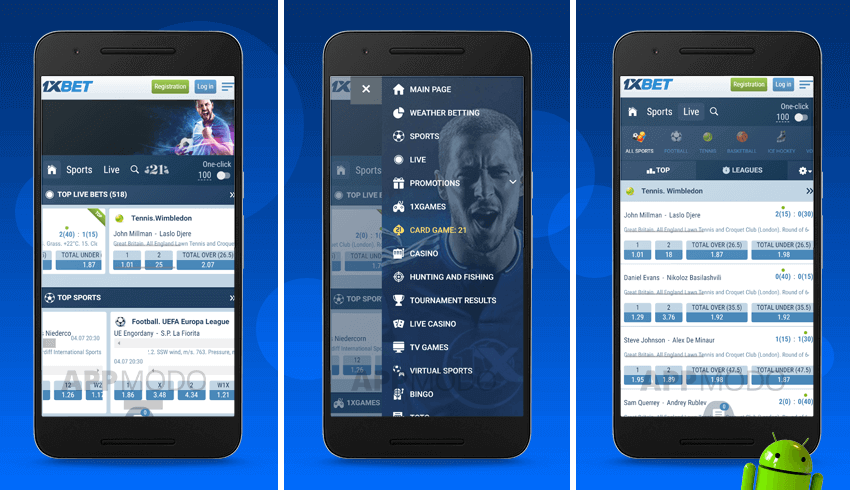
Direct recommendation: the A7 ships with ColorOS 5. For more information about 1xbet ph download visit the web page. 2 built on 8.1 (Oreo); for most users the safest choice is to keep the stock skin and install vendor-supplied security patches and incremental fixes rather than attempt major platform replacements unless you are experienced with custom firmware.
Key technical data: Snapdragon 450 SoC (octa-core Cortex-A53 up to 1.8 GHz), Adreno 506 GPU, 3/4 GB RAM options, 32/64 GB internal storage (microSD slot available), 6.2" 1520×720 IPS display, dual rear cameras 13 MP + 2 MP, 16 MP front camera, 4230 mAh battery, rear-mounted fingerprint reader. Launch firmware: ColorOS 5.2 on 8.1 (Oreo); manufacturer support for major platform upgrades for this SKU was limited.
Practical steps for owners: check current build and security patch level under Settings → About phone → Software information; back up user data before any system-level changes; enable Developer options only to inspect USB debugging or OEM unlock if planning a bootloader modification. Do not unlock the bootloader or flash unofficial images without confirmed device-specific instructions and verified backups – unlocking voids warranty and can break camera, modem or audio functionality when vendor blobs are missing.
Performance and upgrade advice: the Snapdragon 450 and 3–4 GB RAM target midrange use; major platform upgrades can reduce available RAM and introduce sluggishness unless the ROM is optimized for this hardware. If you need newer platform features, prefer community builds that explicitly list support for the A7 hardware (read changelogs and compatibility notes on dedicated forums), and always apply the latest vendor security patches or patched boot images before migrating to a custom release.
Oppo A7: Android at Launch
Keep the A7 on its stock ColorOS 5.2 (Oreo 8.1) as shipped and apply any available security patches from Settings → About phone → Software information before adding accounts or heavy apps.
Launch build: ColorOS 5.2 based on Oreo 8.1, shipped September 2018.Core Oreo 8.1 capabilities: notification channels, picture-in-picture for supported apps, Autofill Framework, background execution limits, adaptive icons and improved battery management.ColorOS 5.2 custom layer (at launch): redesigned UI elements, gesture shortcuts (three-finger screenshot), app cloning and a Smart Sidebar for quick tools; expect vendor preinstalled apps and skin-driven permission prompts.Where to verify build: Settings → About phone → Software information (look for ColorOS build, base OS string and build number).First-boot checklist:Install available system patches immediately.Enable Play Protect and update Google Play Services via the Play Store.Audit app permissions and disable or uninstall unwanted preinstalled apps (Settings → Apps).Set up a screen lock and enable Find My Device if you use Google services.Performance tips: after initial setup, clear app caches, restrict background activity for rarely used apps (Settings → Battery → App management) and avoid heavy multitasking to keep the Snapdragon 450 responsive.App compatibility note: some modern apps and features may expect later platform releases; verify minimum OS requirements in the Play Store before installing resource-intensive titles.Stock Android number shipped
Shipped with stock OS 8.1 (Oreo) layered by ColorOS 5.2.
To confirm on your A7: open Settings → About phone → Software information – you should see "ColorOS 5.2" and a base OS entry showing "8.1 (Oreo)". Note the build number and security patch level on that screen for support or warranty queries.

If you plan to update, back up user data first (local + cloud). Check for official over-the-air updates via Settings → Software Update → Check for updates. Apply only packages delivered through the system updater or the manufacturer's official support site to avoid bricking and warranty loss.
For custom firmware: verify an unlocked bootloader, read the device-specific install guides on established forums, and match ROM builds to the exact model number printed in Settings → About phone. If unsure, remain on the stock ColorOS 5.2 build tied to OS 8.1 until official upgrade paths are provided.
"We've done a lot of thinking around the business model...one thing I can tell you is it's not free-to-play. We didn't say anything last year and then some people made stuff up, y'know, 'it looks free to play!' But we can clear that up - we will not be free-to-pl
Even though Rare Replay was one of the most pleasant surprises of 2015, it's been far too long since Rare has made a game that feels truly aligned with its original development vision. Yes, the masterminds of yesteryear have moved on from the heralded development studio, but when we got a glimpse of Rare's next project, it's hard not to feel that awesome blend of nostalgia and novelty that this UK-based developer seemed to capture so well.
Now the current occupation of creative team members in the company rely on one thing and one thing alone to sell their games: nostalgia. The current Rare as we know it relies heavily on gamer's nostalgia of IPs of gaming’s past. It's no coincidence that Rare Replay (an amazing collection of old Rare Games) was released during the same time Microsoft was announcing that Rare was going to be making more "Traditional" games again. Don’t be confused; even though Rare Replay was released on Xbox and marketed as Rare titles, these are in no way a reflection on the current company. The majority of the games seen in Rare Replay were done by employees that no longer exist at the company.
New game mechanics are also mentioned in the post. Behavior and combat effects are to be added to the large kraken battles featured in the game. Tweaks are also being done of enemy difficulty, with more difficulty ranks being added to skeleton enem
The reveal of Rare Replay and the teaser for Sea of Thieves Kraken guide|Https://Seaofthievespedia.com/ of Thieves was a marketing poly to get gamers excited to play Rare games again, even though the game will not be anywhere near the same quality we have come to expect from "old" Rare titles during their run with Nintendo. This isn’t to say the game has no chance, but the point is that "old" Rare is officially dead and this new incarnation is building up hype off of titles they had no affiliation with.
A recent datamine of the game's files uncovered lots more Sea of Thieves content, including new enemies and animals such as parrots, pigs, and seagulls. The leak also pointed to lots of character and ship customization , from tattoos and eyepatches to a variety of ship hulls. With the game's microtransactions still a few months away, Rare is still working on the finer details but these datamined options do sound like the sort of cosmetic items that could be unlocked via microtransacti
Sea of Thieves , the forthcoming Microsoft exclusive , is being pitched as a games as a service-style game. Publisher Microsoft sees it as the sort of game that players will want to keep coming back to month after month. It comes as little surprise then, that like so many other games as a service, Sea of Thieves will also include microtransacti
Some prospective Sea of Thieves players may question the decision to include microtransactions, but Neate has an explanation for the business model. "Ultimately I have to look at the reality of running a game-as-service as a business," says the executive producer, adding that "My goal and everyone else's goal here is to have as many people as possible working on this, and just keep giving people reasons to return, reasons to have fun. We have to run that like a business, you need revenue coming
Interestingly, Rare didn't have anything else to say about how Sea of Thieves would be monetised after its launch next year. All Mayles could offer in that regard was a broad design philosophy that hints towards a content release plan similar to that of Destiny or other long-term investments like The Divisi
In terms of content mentioned in the post, the most interesting may come in the form several mentions of the Order of Souls quests. Order of Souls is one of the three announced factions for the game, alongside The Gold Hoarders and The Merchant Alliance. During the closed beta, the only faction available was the Gold Hoarders but fans could soon be off battling skeleton pirates with the Order of So
Developer Bluehole announced that it's hit MMO, Playerunknown's Battlegrounds , will be available first on the Xbox One. Built in Unreal Engine 4, the game allows you to direct your anger at other players by setting them ablaze or by unloading round after round of bullets into your oppone
Neate is not the first developer to offer this explanation, with former Uncharted developer Amy Hennig also saying that loot boxes and microtransactions are a result of rising game development costs . This means that players can likely expect more microtransactions in games going forward, but many will be hoping that they follow Sea of Thieves ' lead and only offer cosmetic unlo
There are definitely some major questions about Sea of Thieves, especially when you consider that Rare is not a studio that has ever put together an online game that feels truly cutting edge, but if everything hits, Microsoft's investment in this legendary studio could be totally worth it. The real goal here should be to find a way to make a charming, deep online version of Assassin's Creed IV: Black Flag , considering that may be the best pirate game we've ever received.
In today’s fast-paced digital world, online platforms play a crucial role in helping individuals and businesses discover new opportunities. Whether it is finding jobs, promoting services, or learning new skills, digital platforms provide easy access to valuable resources.
One of the biggest advantages of online platforms is accessibility. Users can explore information anytime and from anywhere, making it easier to stay updated and connected. These platforms help bridge the gap between people and opportunities by offering a centralized space for interaction and discovery.
Another important factor is convenience. Instead of relying on traditional methods, users can quickly search, compare, and access relevant information in just a few clicks. This not only saves time but also improves decision-making.
For those looking to explore useful resources, it is always beneficial to check reliable platforms that provide structured and valuable content. You can visit this page to learn more: explore more details.
Content quality also plays a major role. Platforms that provide clear, relevant, and updated information tend to attract more users and build trust over time. This trust helps users feel confident while exploring opportunities and making decisions.
In addition, digital platforms support networking. Users can connect with others, share insights, and collaborate on different ideas. This opens up new possibilities and helps in personal as well as professional growth.
Another key benefit is scalability. Online platforms can reach a large audience without significant cost, making them ideal for both individuals and businesses. This allows even small entities to compete on a larger scale.
Security and reliability are also important aspects. Trusted platforms ensure user data protection and provide a safe environment for interaction. This further enhances user confidence and engagement.
In conclusion, online platforms have transformed the way people access information and opportunities. They offer convenience, accessibility, and valuable insights that help users grow and succeed. By exploring the right platforms, individuals and businesses can unlock new potential and achieve their goals effectively.
Best immediate action: open the Play Store, tap your profile icon, choose Library (or Manage), filter for items not currently installed and tap Install for the application you want. In case you loved this information and you would love to receive much more information regarding 1xbet promo code for free bet i implore you to visit our page. Ensure you are signed into the same Google account used previously, device has an active internet connection and at least the app size plus 100 MB of free storage.
Alternate web reinstall: on a desktop visit play.google.com, sign in with the same Google account, open the application's store page and click Install; select the target device from the list. Purchases and license status are preserved across reinstalls tied to the account; if the item no longer appears, check order history in the Play Store account page.
Restore app data from backup: check Settings → System → Backup (or Settings → Google → Backup). If "Back up to Google Drive" was enabled, the last backup timestamp appears there; after reinstall the system will attempt to restore application data automatically. For Google One subscribers, open the Google One app to review device backups and explicit app-data snapshots.
Local APK or file-manager reinstall: inspect the Downloads folder, external SD or a cloud backup for an APK copy. Enable Install unknown apps for your file manager via Settings → Apps → Special app access → Install unknown apps, then open the APK and install. Only use trusted sources (official vendor site or APKMirror) and verify package signature before granting permissions; sideloading from untrusted sources increases security risk.
When Play Store and backups fail – ADB and advanced options: enable Developer options (tap Build number 7 times) and USB debugging, then use adb from a desktop. Common commands: adb devices (confirm connection) and adb install /path/to/application.apk. For rooted devices you can also pull an existing APK from /data/app or restore app data with adb backup/adb restore, but those require root or prior backups and carry higher risk.
Do you mean a specific number of headings? You wrote "0" – please confirm how many sections you want.
I recommend 5 sections; this balances practical detail and quick consumption without overwhelming readers.
Suggested section breakdown
1 – Quick snapshot: 120–180 words; single-paragraph summary stating scope, target device type (mobile operating system), and one-line list of prerequisites (Google account, backup status, network access).
2 – Reinstall from store: 180–260 words; step-by-step repro steps for locating an application in the official distribution store, checking purchase history, and restoring previous versions. Include expectations for download size and estimated time (e.g., 20–150 MB; 1–5 minutes on LTE).
3 – Restore from backup: 220–320 words; exact paths for using cloud backups and local copies, required account settings, how to verify backup timestamps, and recovery failure checks (insufficient storage, mismatched account). Recommend checking backup dates and available space before starting.
4 – Alternative delivery methods: 160–240 words; safe sideloading checklist (verify signature, enable install from unknown sources temporarily, checksum/hash validation), risk mitigation (revoke permission after install), and typical pitfalls.
5 – Prevention and maintenance: 140–200 words; concrete actions: enable periodic cloud backups, export app data where possible, maintain a list of licenses, and schedule a monthly audit. Provide one short template line for a backup checklist.
Implementation details
Target length per section: aim for 150–250 words; reading time per section: ~2–4 minutes. If you prefer fewer sections, compress 2+3 into a single technical segment; for more depth, split "Restore from backup" into separate cloud and local guides. Confirm the final number (choose any integer between 2 and 8) and I will generate section titles and full content with suggested screenshots and sample commands.